
The joy of learning or the weight of grades: What’s driving India’s education system? Indian schools have long been celebrated for their academic rigor, but the increasing emphasis on grades and exam performance has raised concerns about the cost of this approach on students’ overall development. As classrooms shift from nurturing creativity to fueling competition,
The joy of learning or the weight of grades: What’s driving India’s education system?
Indian schools have long been celebrated for their academic rigor, but the increasing emphasis on grades and exam performance has raised concerns about the cost of this approach on students’ overall development. As classrooms shift from nurturing creativity to fueling competition, parents and educators are asking: Are schools becoming too focused on academics, leaving no room for play and exploration?
The Overwhelming Academic Load
Numbers Speak of Pressure
- According to a 2022 survey by the National Institute of Educational Planning and Administration, 78% of students in Grades 6-12 feel burdened by excessive academic demands. Additionally, 65% of parents report that their children have little time for recreational activities due to school workloads and after-school tutoring.
Diminishing Playtime
- A report by the Central Board of Secondary Education (CBSE) highlighted that only 45% of Indian schools dedicate more than two hours per week to physical education, with some urban schools cutting recess altogether to accommodate extra study hours.
Impact on Students’ Development
Mental Health Crisis
- The high-pressure academic environment has led to a rise in student anxiety and depression. The National Crime Records Bureau (NCRB) reported that in 2021 alone, over 13,000 students died by suicide in India, citing academic pressure as one of the major causes.
Loss of Creativity and Social Skills
- With limited opportunities for play, arts, and peer interaction, students often miss out on developing creativity, emotional intelligence, and teamwork—skills that are critical for personal and professional success.
Physical Health Concerns
- A sedentary lifestyle driven by long study hours has contributed to a 20% rise in childhood obesity over the past decade, according to the Indian Academy of Pediatrics.
Why Schools Are Prioritizing Academics
Cultural Emphasis on Success
- In a society where academic performance is often equated with future success, schools feel compelled to prioritize grades over holistic education. Competitive exams like JEE and NEET only add to this pressure.
Parental Expectations
- Many parents push for academic excellence, believing it ensures better career prospects for their children. A survey by LocalCircles revealed that 72% of Indian parents prefer schools that focus heavily on academics, even if it means sacrificing extracurricular activities.
Institutional Pressures
- Rankings and performance metrics drive schools to prioritize academic results, often at the expense of fostering well-rounded development.
The Need for Balance
NEP 2020’s Holistic Vision
- The National Education Policy (NEP) 2020 aims to address these concerns by emphasizing holistic education. It encourages schools to integrate sports, arts, and vocational skills into the curriculum, fostering a more balanced approach to learning.
Play-Based Learning Models
- Schools like Rishi Valley and The Valley School in India are experimenting with play-based and experiential learning models that emphasize curiosity and creativity alongside academics. These approaches have shown promising results, with students demonstrating higher engagement and retention rates.
Parental Advocacy
- Parents are increasingly recognizing the need for balance. Advocacy groups are urging schools to enforce mandatory recess, sports periods, and creative workshops to ensure children’s overall well-being.
Conclusion
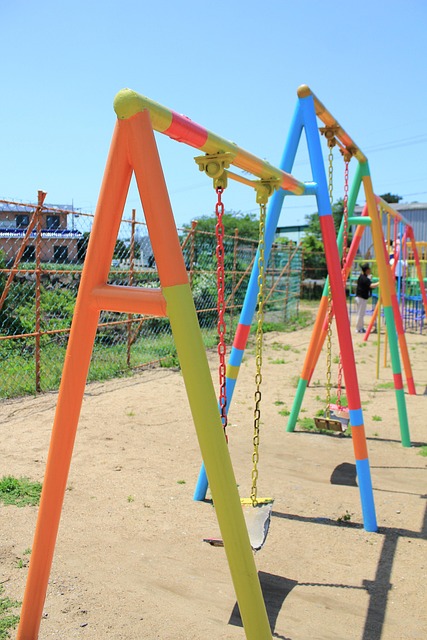
The shift from playgrounds to pressure cookers in Indian schools reflects deeper societal values that prioritize academic achievement over holistic growth. However, with mounting evidence of the adverse effects of this approach, it’s time for schools, parents, and policymakers to rethink priorities. By embracing a balanced education model that values both academic and personal development, India can ensure that its students are not just high achievers but also healthy, happy, and well-rounded individuals ready to face the challenges of the future.











Leave a Comment
Your email address will not be published. Required fields are marked with *