
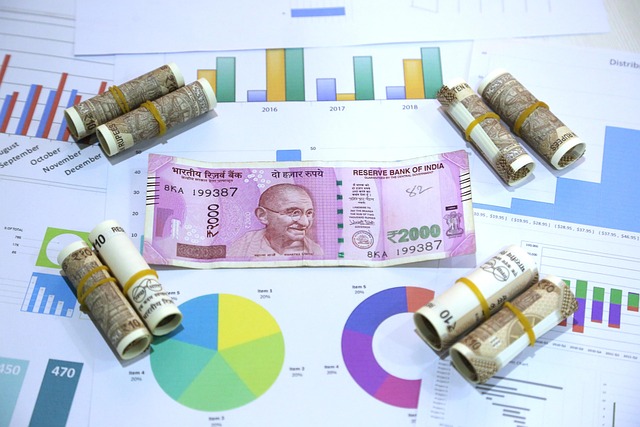
“Balancing Growth with Integrity: The Challenges and Triumphs of India’s Economic Journey” India, the world’s fifth-largest economy, is often celebrated for its economic resilience and adaptability. Guided by democratic principles, the nation has charted a course of sustained growth while weathering global economic uncertainties. However, while democratic ideals have fostered transparency, accountability, and inclusivity, certain
“Balancing Growth with Integrity: The Challenges and Triumphs of India’s Economic Journey”
India, the world’s fifth-largest economy, is often celebrated for its economic resilience and adaptability. Guided by democratic principles, the nation has charted a course of sustained growth while weathering global economic uncertainties. However, while democratic ideals have fostered transparency, accountability, and inclusivity, certain policies and practices have raised questions about their long-term impact on India’s economic resilience.
This dual narrative—of resilience tempered by challenges—reflects the complexity of sustaining growth in the world’s largest democracy.
The Foundations of India’s Economic Resilience
- Diverse Economic Base
- India’s economic strength lies in its diversity. Agriculture, manufacturing, and services contribute significantly to GDP, ensuring a balanced economic structure that can absorb shocks.
- The IT and software services sector alone generates over $194 billion annually, while agriculture supports nearly 50% of the population.
- Democratic Oversight
- India’s democracy enables a system of checks and balances. Policy debates in Parliament, active media scrutiny, and civil society engagement ensure that governance remains transparent and inclusive.
- Programs like Mahatma Gandhi National Rural Employment Guarantee Act (MGNREGA) provide social safety nets, enhancing rural income and consumption, which are critical for resilience during economic downturns.
- Global Integration
- India’s integration into the global economy, driven by policies like the 1991 liberalization, has diversified its trade partnerships and attracted record levels of foreign direct investment (FDI), totaling $81.72 billion in 2022-23.
Key Challenges to Economic Resilience
- Policy Decisions Favoring Cronyism
- Recent decisions, such as awarding port management contracts to conglomerates like Adani Group, have sparked concerns over potential cronyism. Critics argue that such policies often bypass established protocols, raising questions about transparency and expertise.
- For instance, the Adani Group’s rapid acquisition of ports—despite having limited prior experience—has consolidated control over 24% of India’s port capacity. While this consolidation may bring operational efficiency, it also creates monopolistic tendencies that could stifle competition and innovation.
- Uneven Wealth Distribution
- India’s wealth inequality continues to grow. The top 1% of earners control nearly 40% of the nation’s wealth, according to Oxfam’s 2023 report. Policies focusing disproportionately on corporate giants risk exacerbating this divide, undermining the inclusive growth that democratic ideals strive to achieve.
- Environmental Trade-Offs
- Large-scale infrastructure projects often come at the cost of environmental sustainability. Rapid industrialization has led to deforestation, pollution, and displacement of communities, raising questions about the long-term viability of such growth models.
- Regulatory Concerns
- Weak enforcement of regulatory mechanisms in key sectors like banking and infrastructure can create systemic vulnerabilities. The absence of stringent checks on non-performing assets (NPAs) and allegations of favoritism in public-private partnerships undermine public trust.
Examples of Democratic Challenges to Economic Integrity
- Privatization of Public Assets
- The strategic sale of public sector enterprises, including airports and ports, to a few large corporations has drawn criticism. The concentration of critical infrastructure in private hands, particularly those with political connections, may compromise public interest.
- Taxation and Public Welfare
- The rollback of corporate tax rates from 30% to 22% in 2019 aimed to boost private investment but reduced government revenue, limiting funds for social welfare programs. Balancing corporate incentives with public welfare remains a contentious issue.
Strengthening Resilience Through Reforms
- Transparent Policy Frameworks
- Policies should prioritize open bidding processes and independent oversight to ensure fairness and competition. Strengthening institutions like the Comptroller and Auditor General (CAG) can help monitor public spending and avoid favoritism.
- Diversifying Investments
- Reducing over-reliance on a few large conglomerates and fostering a robust ecosystem of small and medium enterprises (SMEs) can enhance economic resilience. SMEs, which employ over 120 million people, play a critical role in driving inclusive growth.
- Sustainable Development
- Policies must balance growth with environmental conservation. Investments in renewable energy, green infrastructure, and climate-resilient agriculture are vital for ensuring long-term sustainability.
- Strengthening Democratic Accountability
- Ensuring that public-private partnerships (PPPs) are subject to parliamentary scrutiny and independent audits can improve transparency and public trust. Civil society organizations and media must continue to play their watchdog roles in holding power accountable.
Conclusion: A Democracy’s Economic Test
India’s economic resilience is a testament to its democratic ideals. The principles of inclusivity, transparency, and accountability have underpinned its growth story, allowing the nation to navigate global uncertainties while striving for equitable development.
However, as India moves toward becoming a $5 trillion economy, challenges like crony capitalism, wealth inequality, and environmental trade-offs threaten to undermine this resilience. By reinforcing democratic accountability, prioritizing inclusive policies, and fostering sustainable development, India can ensure that its economic growth remains aligned with its foundational ideals.
In a nation as complex and diverse as India, true resilience lies not just in growth metrics but in ensuring that prosperity is both sustainable and accessible to all.












Leave a Comment
Your email address will not be published. Required fields are marked with *