
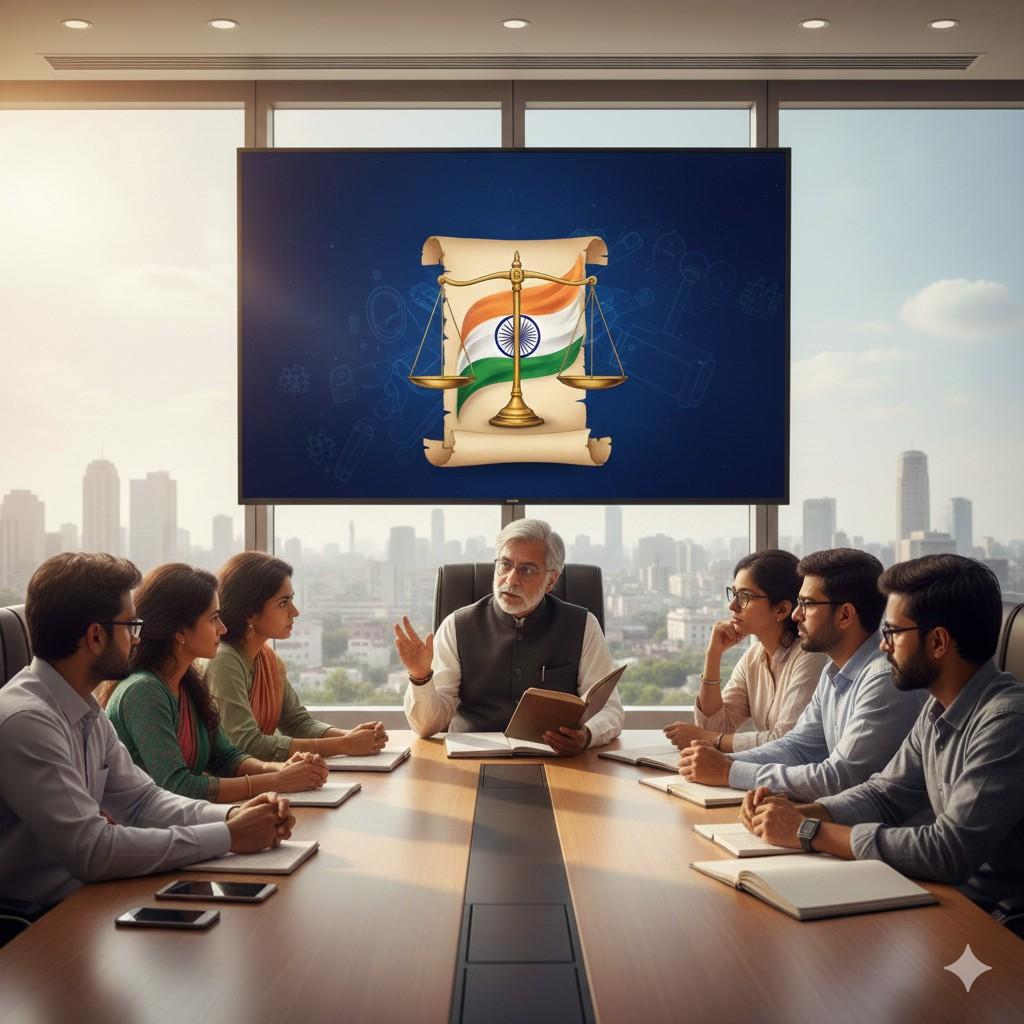
Evaluating the strengths and challenges of the world’s largest democracy. Introduction India, as the world’s largest democracy, is built on the pillars of liberty, equality, and justice, enshrined in its Constitution. Over seven decades, India has upheld these democratic ideals through free elections, vibrant public discourse, and robust institutions. However, recent socio-political developments have sparked
Evaluating the strengths and challenges of the world’s largest democracy.
Introduction
India, as the world’s largest democracy, is built on the pillars of liberty, equality, and justice, enshrined in its Constitution. Over seven decades, India has upheld these democratic ideals through free elections, vibrant public discourse, and robust institutions. However, recent socio-political developments have sparked a debate: Are we staying true to our democratic values, or are they under strain in the face of modern challenges?
The Cornerstones of Indian Democracy
1. Free and Fair Elections
Elections are the lifeblood of any democracy, and India’s Election Commission has consistently upheld the integrity of the electoral process.
- Statistics:
- The 2019 General Elections saw a record voter turnout of 67.4%, with over 900 million registered voters.
(Source: Election Commission of India)
2. Fundamental Rights
India’s Constitution guarantees key rights such as freedom of speech (Article 19), equality before the law (Article 14), and the right to constitutional remedies (Article 32). These rights empower citizens to challenge injustices and hold power accountable.
(Source: Constitution of India)
Challenges to Democratic Ideals
1. Erosion of Institutional Independence
Allegations of political interference in institutions such as the judiciary, media, and law enforcement have raised concerns about the dilution of checks and balances.
- Example:
- Cases of delayed judicial decisions in politically sensitive matters highlight the need for greater transparency and independence.
2. Freedom of Speech Under Threat
India’s ranking in the World Press Freedom Index 2023 dropped to 161 out of 180 countries, reflecting growing challenges for journalists and media outlets.
- Impact:
- Increasing instances of censorship and harassment of journalists restrict the free flow of information.
(Source: Reporters Without Borders)
3. Social and Economic Inequality
Despite economic growth, inequalities persist, limiting equitable access to democratic processes for marginalized communities.
- Key Data:
- The top 1% of India’s population owns 40.5% of the country’s wealth, while the bottom 50% holds just 2.8%.
(Source: Oxfam India)
Strengths of Indian Democracy
1. Vibrant Civil Society
India’s civil society organizations and grassroots movements play a critical role in promoting transparency, addressing social issues, and holding power accountable.
- Examples:
- Campaigns like the Right to Information (RTI) Act have empowered citizens to demand greater transparency from the government.
(Source: RTI Portal)
2. Citizen Participation
The increasing use of technology and social media has amplified citizens’ voices, enabling them to engage in public discourse and policy advocacy.
- Example:
- Platforms like MyGov allow citizens to contribute ideas and feedback on governance initiatives.
(Source: MyGov India)
Balancing Democracy and Modern Challenges
1. Regulating Technology in Democracy
While digital platforms enhance public participation, they also pose risks such as misinformation and polarization.
- Recommendation:
- Implement stricter regulations on content moderation to curb the spread of fake news.
2. Bridging Socio-Economic Gaps
Ensuring that marginalized groups have equal access to education, healthcare, and political representation is critical for inclusive governance.
- Initiative:
- Programs like the Pradhan Mantri Jan Dhan Yojana aim to promote financial inclusion for underprivileged communities.
(Source: Ministry of Finance)
3. Strengthening Institutional Accountability
Ensuring the independence of democratic institutions is vital to maintaining trust in the system.
- Call to Action:
- Enhanced transparency in judicial appointments and decision-making processes.
Opinionated Yet Balanced Perspective
India’s democratic ideals remain resilient, but their future depends on how the country addresses emerging challenges. Ensuring freedom of speech, reducing inequalities, and maintaining institutional independence are essential to preserving the integrity of Indian democracy. While progress has been made, complacency is not an option in a system that thrives on active participation and accountability.
Conclusion
India’s democracy stands as a beacon of hope in a world of evolving challenges. While the nation has made strides in upholding its democratic ideals, continuous efforts are needed to adapt to modern realities. By fostering inclusivity, strengthening institutions, and empowering citizens, India can reaffirm its commitment to democracy and serve as a global example of resilience and progress.









Leave a Comment
Your email address will not be published. Required fields are marked with *