
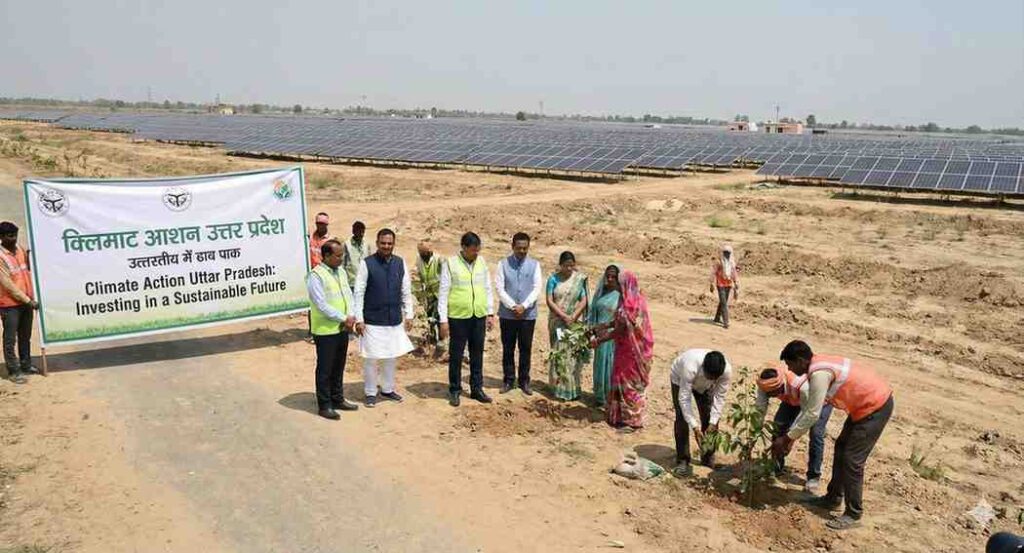
Balancing Growth with SustainabilityAs India’s most populous state, Uttar Pradesh plays a pivotal role in the nation’s battle against climate change. With a population of over 240 million and an economy poised for rapid growth, the state faces the dual challenge of development and sustainability. While recent initiatives signal a commitment to addressing environmental concerns,
Balancing Growth with Sustainability
As India’s most populous state, Uttar Pradesh plays a pivotal role in the nation’s battle against climate change. With a population of over 240 million and an economy poised for rapid growth, the state faces the dual challenge of development and sustainability. While recent initiatives signal a commitment to addressing environmental concerns, the question remains: Are these measures genuine steps forward, or are they falling short of the urgent action needed?
The Climate Crisis in Uttar Pradesh
Key Indicators (2023-24):
- Carbon Emissions: Uttar Pradesh contributes approximately 10% of India’s total greenhouse gas emissions, primarily from energy, agriculture, and transportation sectors.
- Air Quality: Cities like Kanpur and Ghaziabad consistently rank among the most polluted globally, with average AQI levels often exceeding hazardous thresholds.
- Deforestation: The state lost over 15,000 hectares of forest cover between 2001 and 2020 due to urbanization and infrastructure projects.
- Water Stress: Over 50% of districts face water scarcity, with groundwater levels depleting at alarming rates.
Steps Taken: Progress on Climate Action
1. Renewable Energy Initiatives
- Uttar Pradesh has set a target of achieving 22 GW of solar power capacity by 2025 under its UP Solar Energy Policy 2022. Large-scale projects like the Kanpur Solar Plant and rooftop solar schemes aim to reduce dependency on fossil fuels.
- Over 5 lakh households have adopted solar-powered systems, promoting decentralized energy solutions.
2. Electric Mobility Push
- The state is spearheading the adoption of electric vehicles (EVs) with the UP Electric Vehicle Manufacturing and Mobility Policy 2020, offering subsidies for EV buyers and incentives for manufacturers.
- Noida has emerged as a hub for EV production, hosting companies like Ola Electric and Tata Motors.
3. Forest and Green Cover Expansion
- The Mission Green Uttar Pradesh initiative has resulted in the plantation of over 10 crore trees in the last five years. The state aims to increase its forest cover to 15% by 2030, aligning with the National Forest Policy.
4. Waste Management Improvements
- Uttar Pradesh has implemented solid waste management projects in major cities, with an emphasis on waste segregation and recycling. The Kachra Mahotsav initiative in Lucknow promotes awareness about reducing plastic waste.
5. River Rejuvenation Efforts
- Projects under the Namami Gange Programme have focused on cleaning the Ganga and its tributaries, with 70% of polluted river stretches in the state showing improvement in water quality since 2019.
Challenges Hindering Progress
1. Urban Pollution
Despite efforts to curb air pollution, cities like Kanpur, Lucknow, and Ghaziabad continue to grapple with hazardous AQI levels due to vehicular emissions, industrial activity, and crop stubble burning.
2. Groundwater Depletion
With over 90% of agricultural irrigation relying on groundwater, excessive extraction has led to declining water tables, particularly in western Uttar Pradesh.
3. Lack of Enforcement
Weak enforcement of environmental regulations often undermines the effectiveness of policies. Industries frequently bypass pollution norms without facing significant penalties.
4. Dependence on Non-Renewables
Despite progress in renewable energy, the state still relies heavily on coal-based power plants, which account for over 70% of its electricity generation.
5. Public Awareness Gaps
A lack of widespread awareness about sustainable practices, particularly in rural areas, hampers community participation in climate action initiatives.
The Path to Genuine Progress
1. Strengthening Renewable Energy Adoption
- Increase subsidies and incentives for rooftop solar systems, particularly in rural areas.
- Promote decentralized renewable energy projects to empower local communities and reduce transmission losses.
2. Tackling Air Pollution
- Expand public transportation networks, particularly electric buses, in urban and semi-urban areas.
- Collaborate with neighboring states to implement effective crop residue management strategies, reducing stubble burning.
3. Water Conservation Efforts
- Implement large-scale rainwater harvesting projects to recharge groundwater levels.
- Promote micro-irrigation techniques like drip and sprinkler systems to reduce water wastage in agriculture.
4. Community-Led Afforestation
- Incentivize community participation in tree plantation drives by offering financial benefits or land rights.
- Focus on planting native tree species that align with local ecosystems.
5. Enhancing Policy Enforcement
- Strengthen penalties for industries violating environmental norms and invest in real-time monitoring systems.
- Establish green tribunals at the district level to expedite resolution of environmental grievances.
Conclusion: A Step Forward, but Miles to Go
Uttar Pradesh’s climate action initiatives represent a crucial step in addressing the environmental challenges facing the state. From renewable energy and EV adoption to afforestation and waste management, progress is evident. However, the scale and urgency of the climate crisis demand more robust, inclusive, and enforceable measures.
The state’s future hinges on its ability to balance development with sustainability. Will Uttar Pradesh rise to the challenge of leading India’s climate revolution, or will its efforts remain piecemeal? The answer lies in bold policies, grassroots participation, and unwavering commitment to a greener tomorrow.












Leave a Comment
Your email address will not be published. Required fields are marked with *