
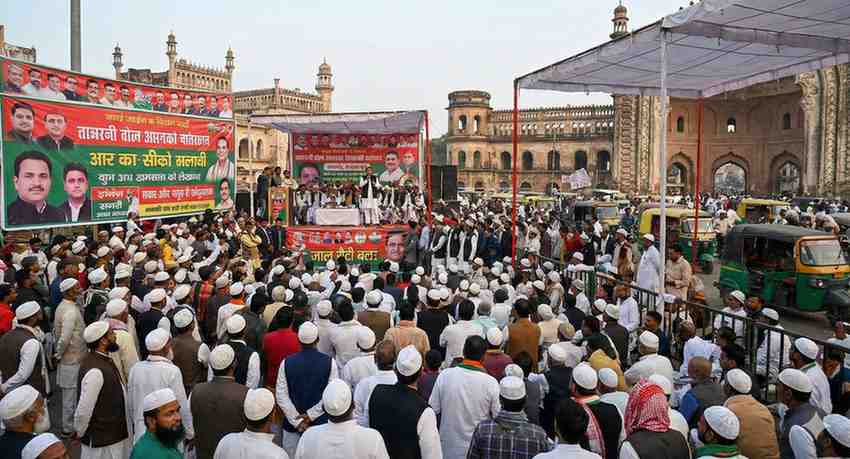
A Capital at the CrossroadsLucknow, the political nerve center of Uttar Pradesh, has witnessed a turbulent evolution in its political landscape. As the state capital and the seat of power, it is both a barometer of the state’s political health and a microcosm of its challenges. From high-stakes elections to shifting party loyalties, Lucknow’s political
A Capital at the Crossroads
Lucknow, the political nerve center of Uttar Pradesh, has witnessed a turbulent evolution in its political landscape. As the state capital and the seat of power, it is both a barometer of the state’s political health and a microcosm of its challenges. From high-stakes elections to shifting party loyalties, Lucknow’s political dynamics reflect a constant tension between stability and stagnation.
The Key Political Players
1. Bharatiya Janata Party (BJP)
- Current Status: The BJP dominates the political scene in Lucknow, holding a significant majority in the state assembly and having a strong presence in the municipal corporation. The party’s focus on infrastructure development, law and order, and economic reforms has bolstered its appeal.
- Ups:
- Landmark projects like the Purvanchal Expressway and Lucknow Metro have strengthened its development credentials.
- A strong focus on Hindutva ideology and social welfare schemes like free ration distribution have ensured a loyal voter base.
- Downs:
- Allegations of neglecting minority communities and growing unemployment concerns have sparked criticism.
- The handling of high-profile protests, such as those against the Citizenship Amendment Act (CAA), has polarized opinions.
2. Samajwadi Party (SP)
- Current Status: Once a dominant force, the SP has faced a decline in recent years but remains the principal opposition. It continues to leverage its traditional support base among Yadavs and Muslims.
- Ups:
- The party’s legacy of developmental initiatives during its tenure, such as the Lucknow-Agra Expressway, still resonates with voters.
- Akhilesh Yadav’s emphasis on youth and modern governance has brought a new narrative to its campaigns.
- Downs:
- Internal factionalism and a diminishing rural voter base have weakened its political clout.
- Accusations of lawlessness and poor governance during previous terms remain a significant liability.
3. Bahujan Samaj Party (BSP)
- Current Status: The BSP’s influence has waned significantly in Lucknow, as its Dalit-centric appeal faces challenges in a politically fragmented environment.
- Ups:
- Mayawati’s tenure as Chief Minister is remembered for infrastructural projects and policies aimed at empowering Dalit communities.
- The party’s disciplined cadre ensures its presence in every election.
- Downs:
- A lack of grassroots connect and declining voter trust have eroded its relevance.
- Its absence of strong alliances has limited its electoral prospects.
4. Indian National Congress (INC)
- Current Status: The Congress continues to struggle in Lucknow, overshadowed by regional heavyweights and the BJP. Despite sporadic efforts to regain ground, the party has yet to establish a consistent foothold.
- Ups:
- Charismatic campaigns by Priyanka Gandhi Vadra have rekindled some hope for revival.
- A focus on women’s empowerment through initiatives like “Ladki Hoon, Lad Sakti Hoon” has struck a chord with a section of voters.
- Downs:
- Organizational weakness and the absence of a strong local leadership have hindered its progress.
- The party’s limited reach among younger voters and rural communities remains a challenge.
Recent Shifts and Emerging Trends
1. Regional Parties and Independents
- Smaller regional parties like the Apna Dal and Rashtriya Lok Dal (RLD) have started to carve out niche voter bases, particularly in suburban and rural areas of Lucknow.
- Independent candidates and civic activists have also gained traction, reflecting a growing disillusionment with traditional party politics.
2. Youth and Women as Political Influencers
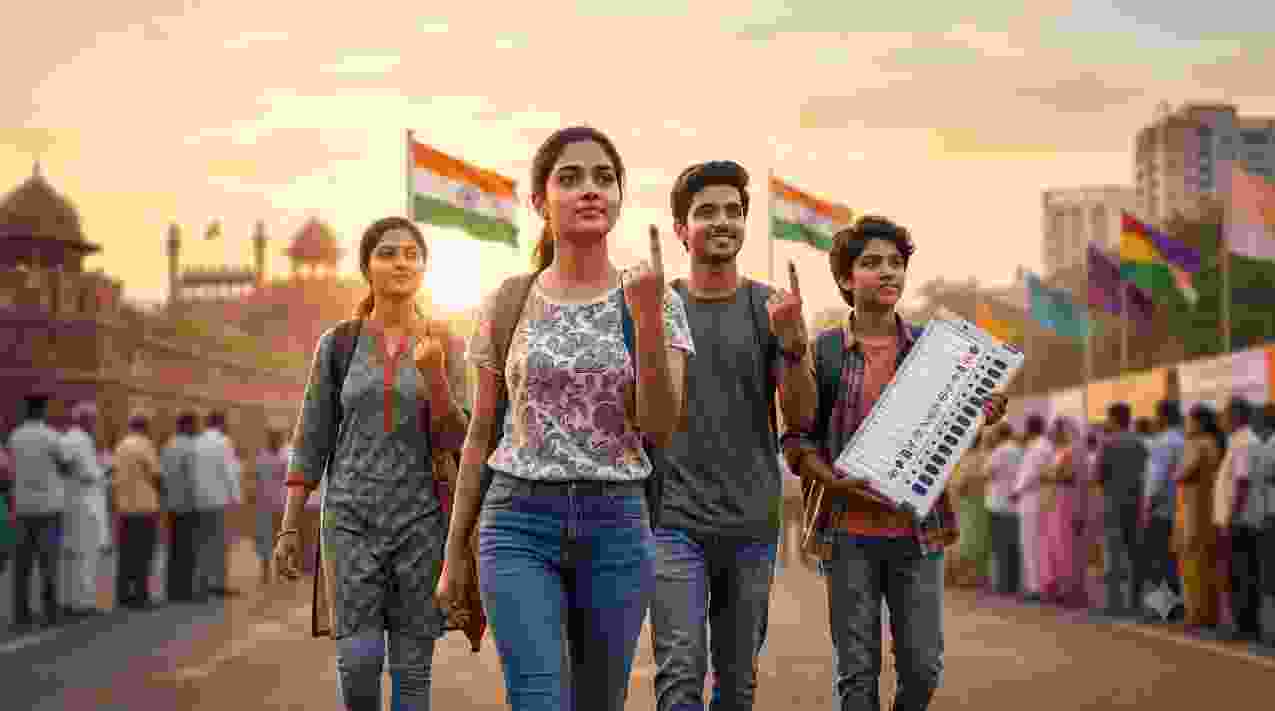
- The increasing political awareness among youth and women has forced parties to recalibrate their strategies. Initiatives targeting these demographics, such as employment guarantees and educational reforms, are now central to campaign narratives.
3. Rise of Digital Campaigning
- Social media platforms and digital outreach have become essential tools in Lucknow’s political battles. The BJP leads in leveraging technology, while other parties are rapidly catching up.
Stability or Stagnation?
Stability
Lucknow’s political stability lies in the continuity of governance, with the BJP maintaining a strong grip over state and local politics. Infrastructure projects, improved law and order, and a focused policy approach have contributed to a semblance of steady progress.
Stagnation
However, this stability comes at the cost of political vibrancy. A lack of formidable opposition has stifled robust debates, and the dominance of a single party risks fostering complacency in governance. Emerging concerns over unemployment, environmental degradation, and marginalized community representation highlight areas where progress has stalled.
The Road Ahead
1. Strengthening Opposition
For Lucknow’s political landscape to thrive, the opposition needs to revitalize itself with fresh ideas and stronger grassroots connections. A competitive political environment is essential for accountability and innovation in governance.
2. Inclusive Development
Addressing disparities in urban and rural development, creating sustainable employment opportunities, and ensuring minority representation are critical for fostering a more equitable political framework.
3. Empowering Civic Engagement
Encouraging citizen participation in governance through transparent processes and local initiatives can bridge the gap between policymakers and the public.
Conclusion: A Dynamic Yet Divided Political Arena
Lucknow’s political dynamics reflect a state at the crossroads of stability and stagnation. While continuity in governance has driven visible progress, the lack of a competitive opposition and unresolved socio-economic challenges signal the need for a more inclusive and dynamic political environment.
The real test for Lucknow’s politics lies in its ability to foster innovation, embrace diversity, and inspire trust among its people. The question is: Can stability evolve into sustainable growth, or will stagnation overshadow its potential?





Leave a Comment
Your email address will not be published. Required fields are marked with *