
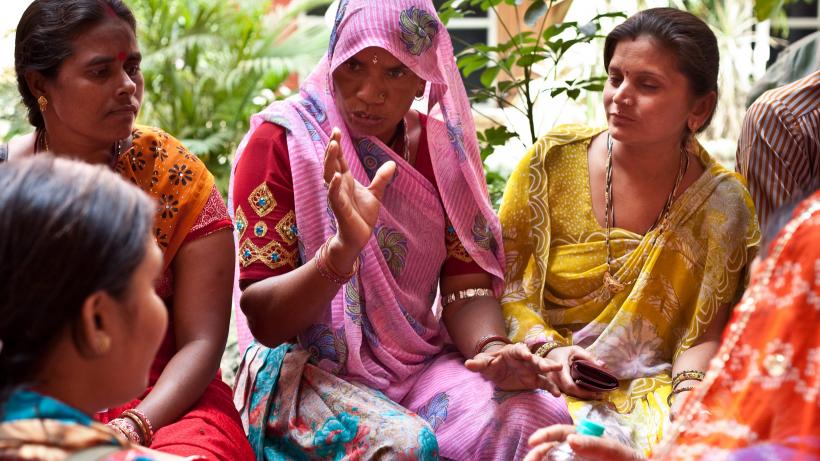
Transforming the Political Fabric: Voter Awareness and Youth Participation Uttar Pradesh, as India’s most populous state, has historically been a focal point for national political maneuvers and power dynamics. Recent years, however, indicate a substantial shift in the state’s political landscape. Heightened voter consciousness, intensified social media utilization, and the proactive involvement of youth are
Transforming the Political Fabric: Voter Awareness and Youth Participation
Uttar Pradesh, as India’s most populous state, has historically been a focal point for national political maneuvers and power dynamics. Recent years, however, indicate a substantial shift in the state’s political landscape. Heightened voter consciousness, intensified social media utilization, and the proactive involvement of youth are redefining the parameters of civic engagement in a region marked by intricate caste and religious identities.
Key Metrics and Developments
- Voter Turnout: The 2022 Assembly Elections witnessed a turnout of 59.4%, indicating both progress and lingering disengagement.
- Youth Demographics: Nearly 60% of the state’s population is under the age of 30, positioning this cohort as a decisive electoral force.
- Digital Connectivity: Over 70 million active social media users are amplifying political discussions and awareness.
- Civil Activism: Protests addressing unemployment, agrarian issues, and governance deficiencies highlight a burgeoning political consciousness.
Catalysts for Evolving Engagement
- Youth Mobilization:
- With a significant proportion of the population comprising young individuals, the state is experiencing a surge in youth-driven political activism.
- Illustration: Protests led by students over job vacancy delays and examination inefficiencies have compelled administrative responses.
- The Role of Social Media:
- Platforms such as Twitter, Instagram, and WhatsApp have become pivotal arenas for political expression, where hashtags, viral content, and live streams influence public sentiment.
- Impact: Political entities now prioritize digital campaigns to engage younger voters and first-time participants in the electoral process.
- Grassroots Movements and Civil Society:
- Advocacy around farmers’ rights, gender safety, and governance accountability has catalyzed public demonstrations, spotlighting policy inadequacies.
- Illustration: The farmers’ protests in western Uttar Pradesh significantly reshaped public narratives around rural economic distress and policy implementation.
- Push for Inclusive Representation:
- Political parties increasingly field candidates from diverse socio-economic and cultural backgrounds, reflecting the electorate’s demand for equitable representation.
- Outcome: This shift underscores efforts to resonate with historically marginalized communities.
Persistent Hurdles
Despite the momentum in political engagement, Uttar Pradesh continues to face critical challenges:
- Caste and Religious Polarization: Identity-driven politics frequently overshadow developmental priorities, perpetuating societal divisions.
- Rural-Urban Disparities: Rural regions often encounter limited access to information and resources, curbing political participation.
- Proliferation of Misinformation: The pervasive spread of fake news and divisive narratives on social media platforms undermines informed civic decision-making.
Case Studies of Emerging Political Dynamics
- 2022 Assembly Elections: Youth-led digital campaigns spotlighted critical issues such as unemployment and educational inequities, bringing them to the forefront of political discourse.
- Women’s Grassroots Movements: Localized initiatives advocating for improved safety and representation have gained traction, reflecting a shift towards gender-sensitive governance.
- Farmers’ Protests: Demonstrations across western Uttar Pradesh underscored the organizational strength of rural constituencies in influencing state policy.
Strategic Recommendations for Sustained Engagement
To sustain and deepen this transformative engagement, Uttar Pradesh must:
- Enhance Civic Education: Initiate widespread programs to educate citizens about their democratic rights and responsibilities.
- Bolster Digital Literacy: Equip voters with tools to critically evaluate online content and discern credible information from misinformation.
- Empower Grassroots Governance: Invest in local governance mechanisms to ensure equitable representation and policy responsiveness in rural areas.
- Redefine Political Narratives: Transition from divisive identity-based politics to inclusive, development-focused platforms that prioritize long-term societal benefits.
Conclusion: The Dawn of a Political Renaissance
Uttar Pradesh is on the cusp of a political transformation marked by heightened civic participation and the resurgence of grassroots activism. While these developments signify hope, the onus lies on political leadership to channel this energy into constructive and inclusive outcomes. By fostering transparency, equity, and a developmental focus, the state can exemplify a new standard for democratic evolution within India’s socio-political framework.








Leave a Comment
Your email address will not be published. Required fields are marked with *