
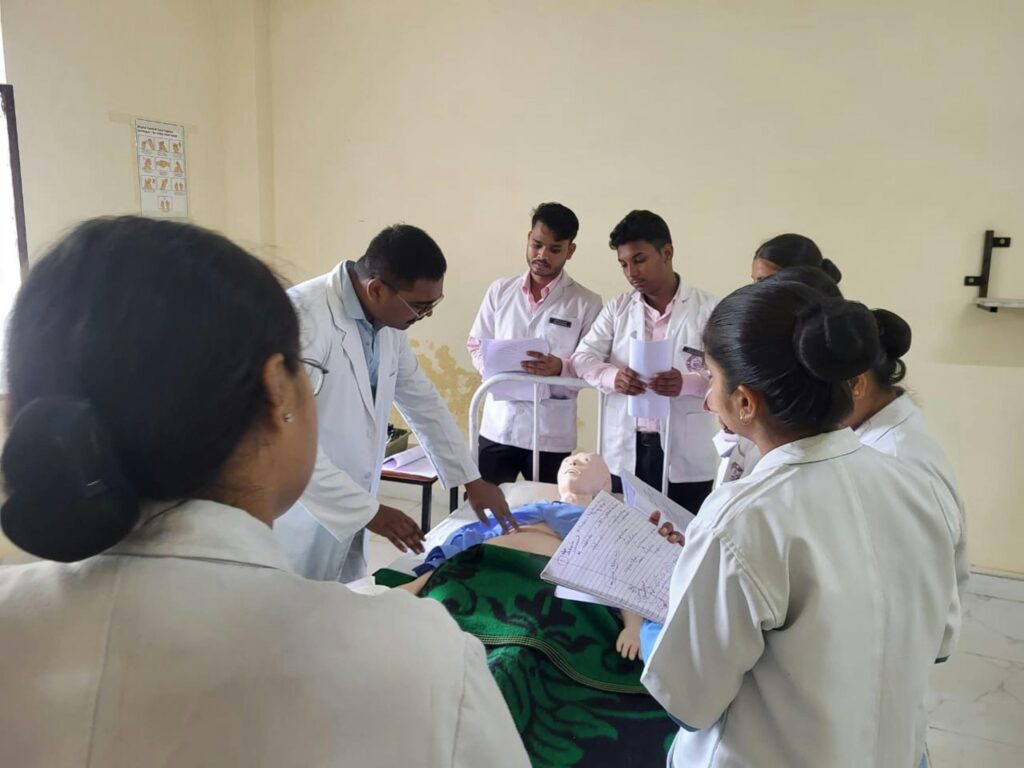
Examining Uttar Pradesh’s Healthcare Crisis Uttar Pradesh, India’s most populous state, has long been a focal point for political promises aimed at improving healthcare. From ambitious schemes to infrastructure commitments, successive governments have touted their efforts to uplift public health. However, the ground reality reveals a stark contrast between rhetoric and the challenges faced by
Examining Uttar Pradesh’s Healthcare Crisis
Uttar Pradesh, India’s most populous state, has long been a focal point for political promises aimed at improving healthcare. From ambitious schemes to infrastructure commitments, successive governments have touted their efforts to uplift public health. However, the ground reality reveals a stark contrast between rhetoric and the challenges faced by millions of citizens.
Key Highlights
- Doctor-to-Patient Ratio: 1:3,526, far below the WHO-recommended 1:1,000.
- Infant Mortality Rate (IMR): 41 deaths per 1,000 live births, among the highest in the country (Sample Registration System, 2020).
- Public Health Expenditure: Just 1.8% of GSDP, below the national average of 2.1%.
- Primary Health Centers (PHCs): Nearly 40% of PHCs lack essential equipment and staff (National Health Mission Report, 2022).
Political Promises: Ambitions on Paper
Successive state governments have announced several initiatives aimed at transforming Uttar Pradesh’s healthcare landscape:
- Ayushman Bharat Scheme: Provides health insurance coverage of up to ₹5 lakh per family for 63 lakh beneficiaries in UP.
- Mukhyamantri Jan Arogya Yojana: An extension of Ayushman Bharat, targeting those not covered by the national scheme.
- New Medical Colleges: Promises to establish one medical college in every district by 2027.
- Upgraded PHCs and CHCs: Commitments to modernize Primary Health Centers (PHCs) and Community Health Centers (CHCs) to improve rural healthcare access.
Ground Reality: A Healthcare System Under Strain
Despite these promises, the healthcare system in Uttar Pradesh continues to grapple with significant shortcomings:
- Inadequate Infrastructure:
- Only 56% of PHCs operate 24/7.
- District hospitals are overcrowded, often operating at 150% capacity.
- Many rural areas lack basic healthcare facilities, forcing residents to travel long distances for treatment.
- Shortage of Medical Professionals:
- The state faces a shortfall of over 10,000 doctors and 20,000 nurses (UP Health Department).
- High attrition rates among rural healthcare workers exacerbate the crisis.
- Quality of Care:
- Reports of unhygienic conditions, outdated equipment, and lack of medicines are rampant in government hospitals.
- Infant and maternal mortality rates remain alarmingly high, particularly in underserved regions like Bundelkhand and Purvanchal.
Case Studies: The Reality on the Ground
- Gorakhpur Tragedy (2017): The death of over 60 children due to a lack of oxygen supply at a government hospital highlighted systemic negligence.
- COVID-19 Crisis: During the second wave, hospitals in Lucknow and Varanasi faced acute shortages of beds, oxygen, and essential medicines, with many patients succumbing outside facilities.
- Rural Realities: In districts like Sonbhadra, PHCs often remain closed due to absentee staff, forcing villagers to rely on unqualified practitioners.
The Way Forward
To bridge the gap between political promises and public reality, Uttar Pradesh must undertake systemic reforms:
- Increase Healthcare Spending: Raise public health expenditure to at least 3% of GSDP to strengthen infrastructure and human resources.
- Focus on Rural Areas: Prioritize the establishment of functional PHCs and CHCs in underserved regions.
- Recruit and Retain Talent: Offer competitive salaries and incentives to attract healthcare professionals to rural postings.
- Leverage Technology: Expand telemedicine services to reach remote areas and ensure consistent care.
- Strengthen Monitoring: Implement strict oversight mechanisms to reduce absenteeism and ensure accountability in public health facilities.
Conclusion: Bridging the Divide
Uttar Pradesh’s healthcare system stands at a crossroads. While political promises paint a picture of progress, the ground reality underscores the need for urgent action. Only through sustained investment, efficient implementation, and accountability can the state transform its healthcare narrative from one of crisis to one of hope and resilience.











Leave a Comment
Your email address will not be published. Required fields are marked with *