
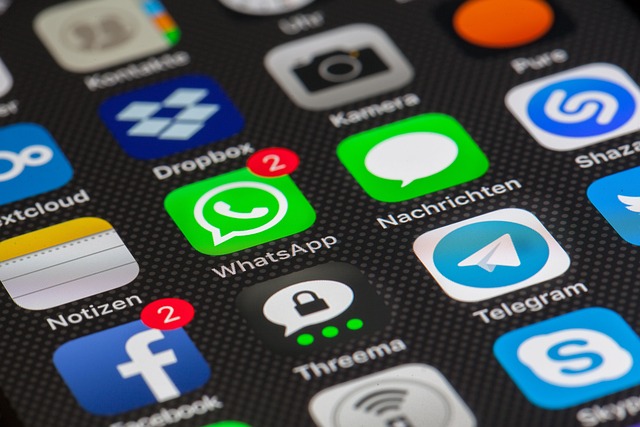
Social Media: A Double-Edged Sword in Uttar Pradesh Politics Uttar Pradesh, with its massive population of over 240 million and deeply entrenched political divides, has become a hotbed for the transformative yet contentious role of social media in shaping political discourse. As platforms like Facebook, Twitter, and Instagram gain traction among the state’s youth and
Social Media: A Double-Edged Sword in Uttar Pradesh Politics
Uttar Pradesh, with its massive population of over 240 million and deeply entrenched political divides, has become a hotbed for the transformative yet contentious role of social media in shaping political discourse. As platforms like Facebook, Twitter, and Instagram gain traction among the state’s youth and rural communities, the question arises: Are these tools fostering meaningful dialogue or deepening societal divisions?
Key Highlights
- User Base: Over 70 million active social media users in Uttar Pradesh, driven by increased smartphone penetration.
- Youth Engagement: Nearly 60% of UP’s population is under 30, making social media a key tool for political outreach.
- Digital Campaigning: Political parties spent an estimated ₹100 crore on social media campaigns during the 2022 state elections.
- Content Dynamics: Rise in misinformation, polarizing narratives, and targeted ads dominate online political spaces.
Social Media as a Tool for Engagement
Political leaders and parties in Uttar Pradesh have embraced social media as a critical communication tool:
- Direct Outreach: Platforms allow leaders to bypass traditional media and connect directly with constituents.
- Campaign Strategies: Parties use targeted ads and trending hashtags to galvanize support and mobilize voters.
- Grassroots Mobilization: Social media amplifies local issues, providing a voice to marginalized communities and activists.
For instance, campaigns like #SabkaSaathSabkaVikas (BJP) and #AkhileshYadavForCM (SP) gained significant traction during the 2022 assembly elections, highlighting the growing influence of digital narratives.
The Dark Side: Division and Polarization
While social media has democratized political discourse, it has also exacerbated challenges:
- Misinformation: Fake news and doctored content frequently go viral, shaping public opinion based on falsehoods.
- Echo Chambers: Algorithms amplify content that reinforces existing biases, limiting exposure to diverse perspectives.
- Hate Speech: Communal and caste-based slurs proliferate, fueling tensions and undermining social cohesion.
- Troll Campaigns: Organized trolling often targets dissenting voices, discouraging critical dialogue.
Case Studies of Social Media Impact
- Farmers’ Protests (2020-2021): Social media galvanized rural communities in western UP, spotlighting agrarian distress and influencing political narratives.
- Anti-CAA Protests: Platforms were pivotal in organizing and documenting protests, but they also became battlegrounds for communal polarization.
- 2022 State Elections: Hashtag campaigns and viral videos played a significant role in shaping voter perceptions, often blurring the line between facts and propaganda.
Regulating the Digital Space
Given its dual potential to unite and divide, regulating social media in Uttar Pradesh’s political context is crucial:
- Content Moderation: Platforms must strengthen mechanisms to identify and remove hate speech and misinformation.
- Transparency in Political Ads: Clear disclosures about funding sources and targeting parameters are essential to ensure accountability.
- Digital Literacy Programs: Educating users to critically evaluate online content can mitigate the impact of fake news.
- Government Oversight: Regulatory frameworks should balance free speech with measures to curb harmful content.
Conclusion: Navigating the Digital Frontier
Social media has become an indispensable tool in Uttar Pradesh’s political landscape, offering opportunities for dialogue, engagement, and mobilization. However, its misuse poses significant risks to social harmony and democratic processes. Striking a balance between fostering open discourse and mitigating divisive narratives will be critical as Uttar Pradesh continues to navigate the evolving dynamics of digital politics.







Leave a Comment
Your email address will not be published. Required fields are marked with *