

New Delhi – India, the land of diverse beliefs and centuries-old traditions, is witnessing a growing clash between moral reasoning and rigid dogma. What once served as a guide to ethical living has now become a tool for enforcing exclusionary practices, sparking controversies that challenge the essence of modern society. Are we letting dogma dictate morality,
New Delhi – India, the land of diverse beliefs and centuries-old traditions, is witnessing a growing clash between moral reasoning and rigid dogma. What once served as a guide to ethical living has now become a tool for enforcing exclusionary practices, sparking controversies that challenge the essence of modern society. Are we letting dogma dictate morality, confusing archaic rules with universal values, and paying the price for this blind adherence?
The Rise of Dogma Over Ethics
In recent years, the rigid enforcement of traditional rules has repeatedly clashed with evolving notions of morality, exposing deep divides across communities.
- Gender Discrimination Under the Guise of Tradition
- The Sabarimala Temple controversy laid bare this conflict. Despite the 2018 Supreme Court ruling allowing women of menstruating age to enter the temple, protests erupted, with opponents citing “age-old customs.” This sparked debates about whether preserving tradition justifies perpetuating gender inequality.
- Similarly, triple talaq, a practice outlawed in 2017, was fiercely defended by some conservative leaders, despite its detrimental impact on women’s rights and dignity.
- Caste-Based Practices: Sanctified Discrimination
- Caste continues to wield significant influence, with atrocities often justified under cultural norms. According to the National Crime Records Bureau (NCRB), over 50,000 cases of caste-based violence were reported in 2022, ranging from honor killings to denial of basic rights.
- Practices such as barring Dalits from entering temples starkly contradict the ethical principles of equality and compassion found in most religious teachings.
Dogma in Everyday Life: The Performative Morality Crisis
While rules and rituals are often meant to inspire introspection and discipline, they are increasingly becoming tools for performative piety rather than genuine moral engagement.
- The Spectacle of Devotion
- Social media has turned faith into a public performance. Hashtags like #BlessedLife trend with images of rituals and donations, raising the question of whether acts of devotion are for God or likes.
- A 2023 study by the Indian Council of Social Science Research found that 62% of young Indians perceive public displays of faith as superficial rather than sincere.
- Cultural Policing Under the Banner of Morality
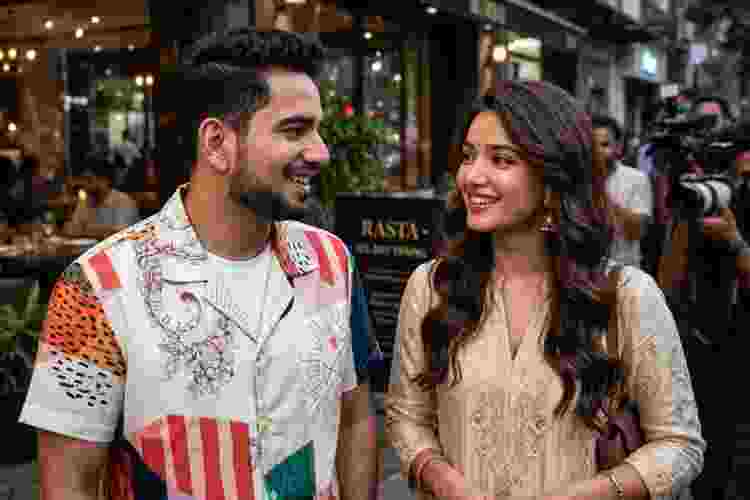
- From bans on Valentine’s Day celebrations to attacks on couples in public spaces, so-called protectors of tradition often impose their version of morality through coercion and violence.
Religious Institutions: Preserving Faith or Perpetuating Control?
While religious and cultural institutions play a vital role in preserving heritage, they also face criticism for prioritizing control over compassion.
- The Exploitation of Believers
- Scandals involving self-proclaimed godmen have exposed widespread financial and emotional exploitation. Cases like the 2022 conviction of a high-profile spiritual leader for fraud and assault highlight how dogma is used to prey on vulnerable followers.
- Resistance to Reform
- Institutions often resist calls for inclusivity, such as gender-neutral worship spaces or caste-free celebrations, citing the sanctity of tradition.
The Environmental Cost of Rigid Rituals
Dogma often extends its reach to environmental practices, with rituals sometimes causing harm to the very ecosystems they aim to honor.
- Idol Immersion and Pollution
- The Central Pollution Control Board reported a significant increase in water pollution after the 2022 Ganesh Chaturthi celebrations, where non-biodegradable idols were immersed in rivers.
- Despite campaigns for eco-friendly alternatives, resistance persists among traditionalists who argue that altering rituals undermines religious sanctity.
The Role of Media: Amplifier of Dogma or Agent of Change?
The media plays a pivotal role in shaping perceptions, but its tendency to sensationalize often exacerbates divisions.
- Polarizing Narratives
- Controversial rulings, such as the Sabarimala verdict, often receive coverage that amplifies fringe opposition while sidelining progressive voices.
- Misinformation and Fearmongering
- Viral social media posts that misinterpret religious texts fuel intolerance. The Alt News fact-checking platform found that over 40% of viral religious stories in 2023 were false or misleading, further deepening divides.
Reclaiming Morality: The Way Forward
To prioritize morality over dogma, India must embrace systemic reforms and cultural introspection.
- Critical Education
- Schools must teach students to critically examine traditions and differentiate ethical principles from outdated rules.
- Legislative Accountability
- Strict enforcement of laws against caste discrimination, gender inequality, and environmental harm tied to rituals is essential.
- Promoting Inclusive Dialogues
- Platforms that encourage interfaith and intercultural discussions can help bridge divides, fostering shared values over divisive dogma.
Conclusion: Choosing Values Over Blind Adherence
India’s rich traditions are its strength, but rigid dogma risks turning them into chains that stifle progress and compassion.
The challenge is clear: Can we uphold the ethical values at the heart of our cultural and religious heritage while letting go of practices that perpetuate inequality and exclusion? If morality is to triumph over dogma, it will require courage, critical thinking, and a collective commitment to justice and empathy.









Leave a Comment
Your email address will not be published. Required fields are marked with *