
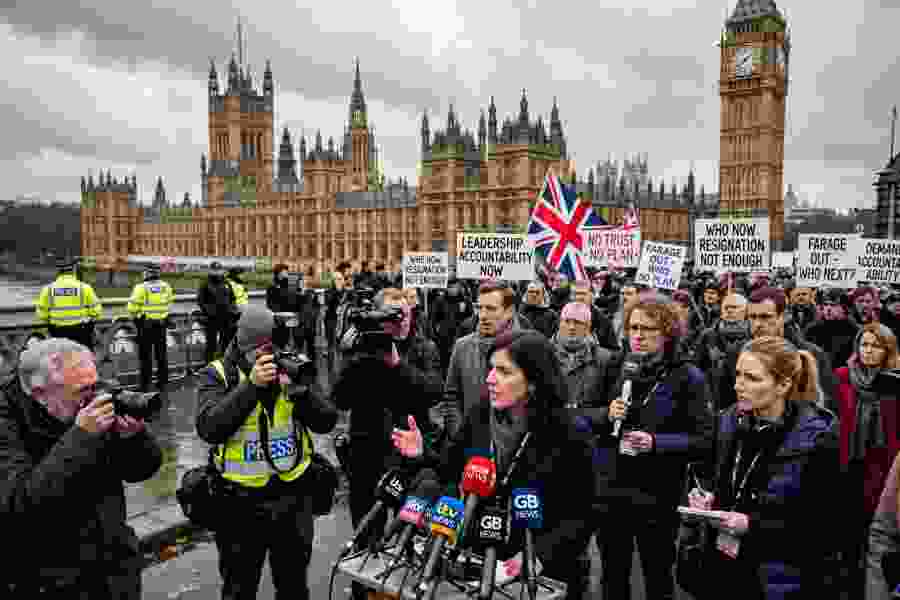
Nigel Farage’s recent resignation as an MP has ignited discussions about political accountability and leadership in the UK. His claims of being forced to resign raise questions about the pressures faced by politicians in contemporary governance. New Delhi, August 2026 — Nigel Farage, leader of the Reform UK party, announced his resignation from Parliament, asserting
Nigel Farage’s recent resignation as an MP has ignited discussions about political accountability and leadership in the UK. His claims of being forced to resign raise questions about the pressures faced by politicians in contemporary governance.
New Delhi, August 2026 — Nigel Farage, leader of the Reform UK party, announced his resignation from Parliament, asserting that he was compelled to step down against his will. This unexpected decision has not only stunned his supporters but also catalyzed a broader conversation about the state of political leadership in the UK.
Why Did Farage Resign?
Farage’s resignation comes amidst mounting allegations and political pressure that he claims made his position untenable. In his recent broadcast, he stated, “I didn’t want to resign as MP, but I felt forced to do so due to external pressures.” This statement resonates with a growing narrative among politicians who argue that the political landscape is increasingly hostile, where personal attacks and media scrutiny can dictate terms of service.
What Does This Mean for India?
The situation in the UK serves as a cautionary tale for Indian politicians, particularly as India gears up for its own elections. The dynamics of political accountability and public perception are critical in both countries. Indian leaders must navigate similar pressures, particularly in a digital age where social media amplifies every misstep. The parallels highlight the universal challenges faced by political figures in maintaining their positions amidst shifting public sentiments.
What Should You Watch Next?
- Watch for potential shifts in Reform UK’s political strategy following Farage’s exit.
- Monitor how this resignation influences public opinion ahead of upcoming elections in both the UK and India.
- Pay attention to reactions from other political leaders regarding accountability and media influence.
Political analysts suggest that Farage’s resignation could lead to a significant reshuffle within Reform UK, potentially impacting their electoral strategy. As the party seeks to redefine its leadership, the implications may resonate beyond party lines, prompting a reevaluation of how political discourse is shaped in the UK.
What Happens Next?
In the wake of Farage’s announcement, stakeholders will be keenly observing the responses from both his party and the broader political community. This incident could potentially catalyze discussions on reforming political accountability mechanisms, not just in the UK but also in democracies like India. As political tensions rise, the future of Reform UK and its ability to capitalize on this moment remains uncertain, setting the stage for an intricate power play in British politics.










Leave a Comment
Your email address will not be published. Required fields are marked with *