
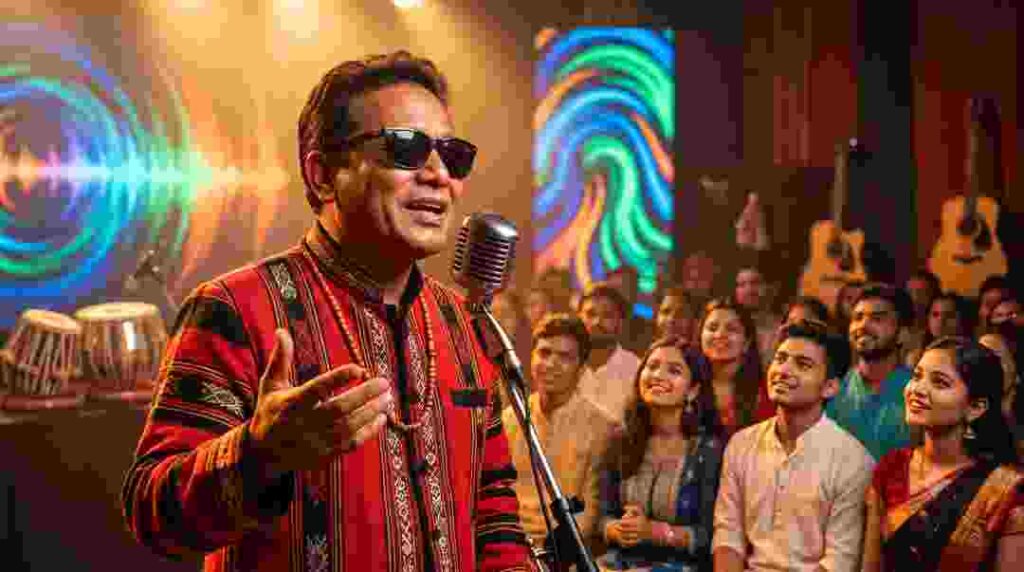
Arunachal Pradesh is home to a talented singer who, despite being visually impaired, is making waves in the Indian music industry. His journey serves as a beacon of hope for many, emphasizing the importance of inclusivity and accessibility in the arts. New Delhi, August 2026 — Arunachal Pradesh’s very own blind singer is not only
Arunachal Pradesh is home to a talented singer who, despite being visually impaired, is making waves in the Indian music industry. His journey serves as a beacon of hope for many, emphasizing the importance of inclusivity and accessibility in the arts.
New Delhi, August 2026 — Arunachal Pradesh’s very own blind singer is not only captivating audiences with his melodious voice but also challenging societal perceptions of disability in India. His rise in the music industry highlights a crucial need for greater representation and support for artists with disabilities.
Why Did This Happen?
The singer’s journey began in a small village where he faced significant barriers due to his visual impairment. Yet, his passion for music and unwavering determination led him to pursue his dreams against all odds. With the support of local organizations that promote arts for differently-abled individuals, he received the necessary training and exposure, allowing his talent to flourish. His story resonates with many in India, where cultural narratives around disability are still evolving.
What Does This Mean for India?
The success of this artist signifies a shift in how Indian society views individuals with disabilities. As more platforms become available for underrepresented voices, the cultural landscape is beginning to reflect a broader spectrum of experiences. This not only enriches the music industry but also fosters a more inclusive environment where diverse talents can thrive. Analysts believe that this trend may encourage more initiatives aimed at integrating differently-abled artists into mainstream entertainment.
What Should You Watch Next?
- Upcoming collaborations between disabled and mainstream artists.
- Growth of music festivals focused on inclusivity.
- Government policies supporting arts programs for disabled individuals.
As Arunachal’s rising star continues to garner attention, the implications for the Indian music industry are profound. His success may inspire other disabled artists to share their talents, leading to greater visibility and acceptance. Furthermore, music industry stakeholders are now recognizing the importance of creating accessible platforms, which could result in a significant policy shift that promotes inclusivity.
What Happens Next?
In the coming years, we can expect more initiatives aimed at fostering talent among differently-abled individuals in the arts. Music festivals and competitions that prioritize inclusivity will likely emerge, providing a stage for artists from diverse backgrounds. As the narrative around disability in India continues to evolve, this blind singer’s journey could catalyze a larger movement towards acceptance and representation, ultimately enriching the cultural fabric of the nation.





Leave a Comment
Your email address will not be published. Required fields are marked with *