
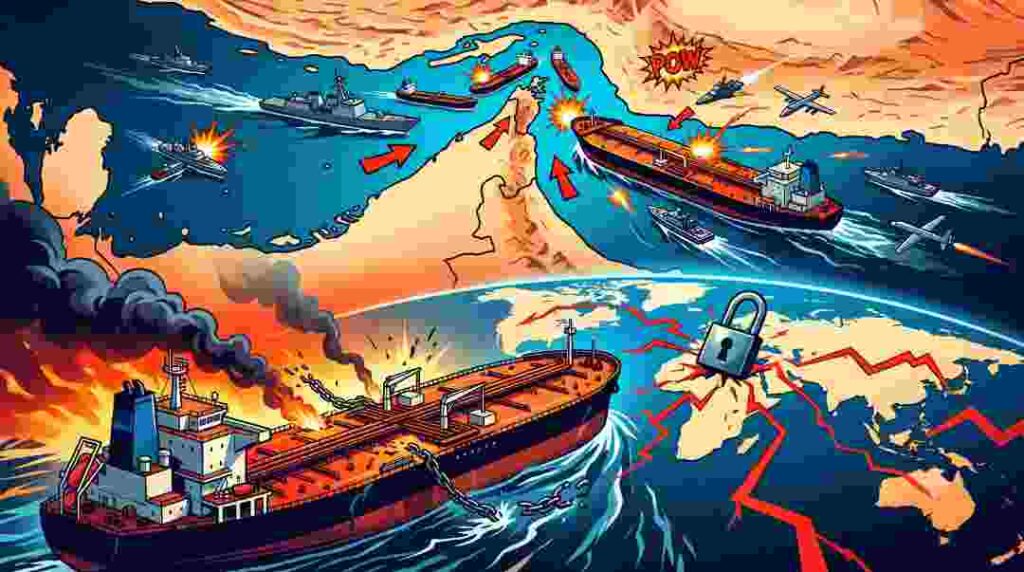
Tensions in the Strait of Hormuz are escalating, with former U.S. President Donald Trump making incendiary threats against Oman amid ongoing disputes involving Iran. This situation poses significant risks to global shipping routes and geopolitical stability. New Delhi, August 2026 — Former President Donald Trump’s recent remarks threatening military action against Oman have intensified concerns
Tensions in the Strait of Hormuz are escalating, with former U.S. President Donald Trump making incendiary threats against Oman amid ongoing disputes involving Iran. This situation poses significant risks to global shipping routes and geopolitical stability.
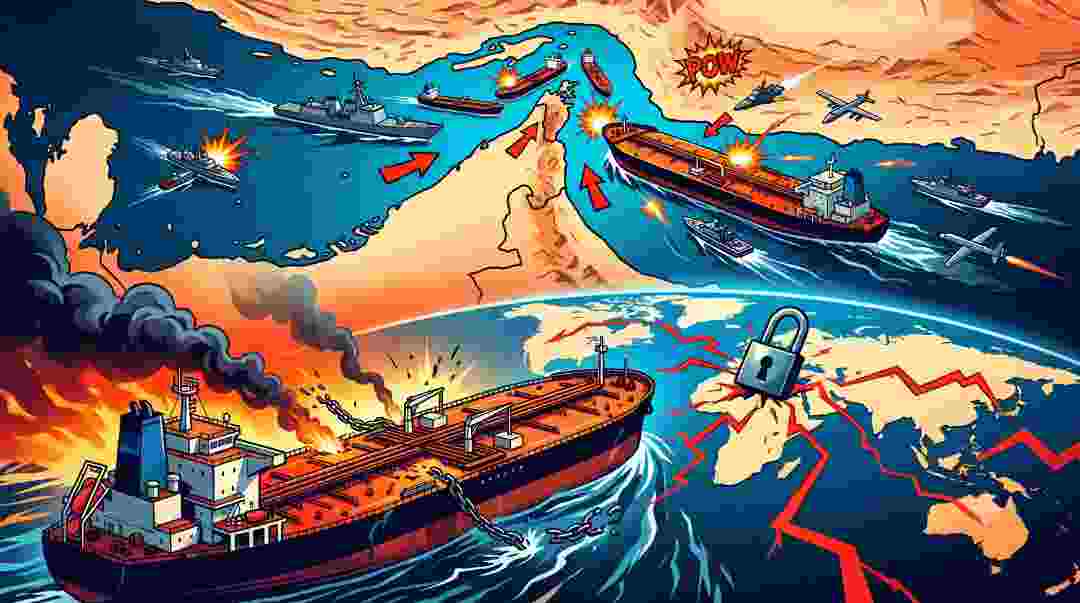
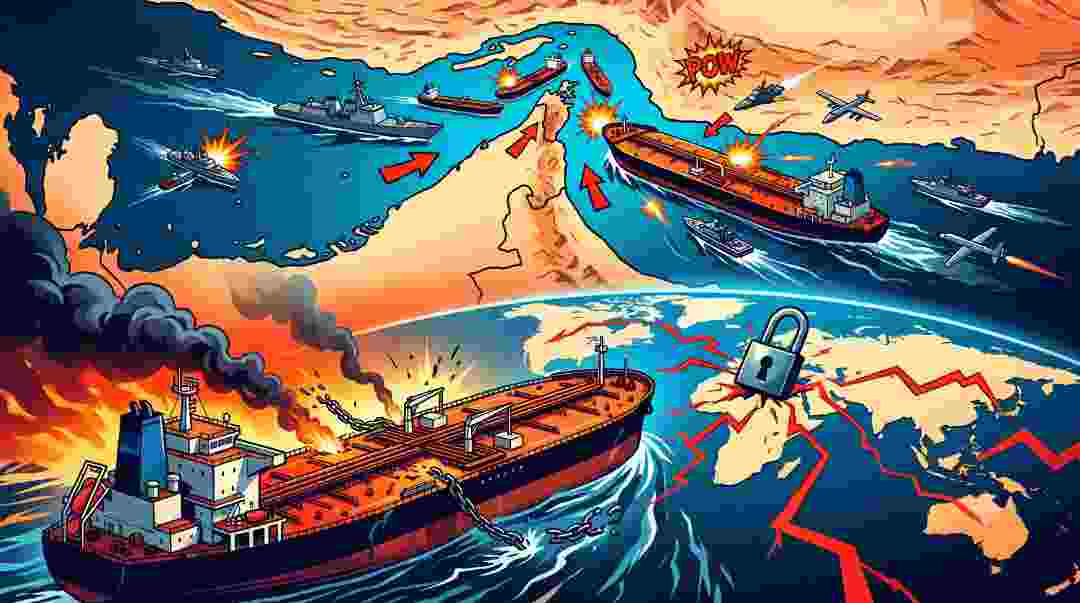
New Delhi, August 2026 — Former President Donald Trump’s recent remarks threatening military action against Oman have intensified concerns surrounding the Strait of Hormuz, a critical maritime corridor through which approximately 20% of the world’s oil passes. The threats come on the heels of renewed hostilities between Iran and the U.S., raising alarms about the potential for a broader conflict in the region.
Why Did This Happen?
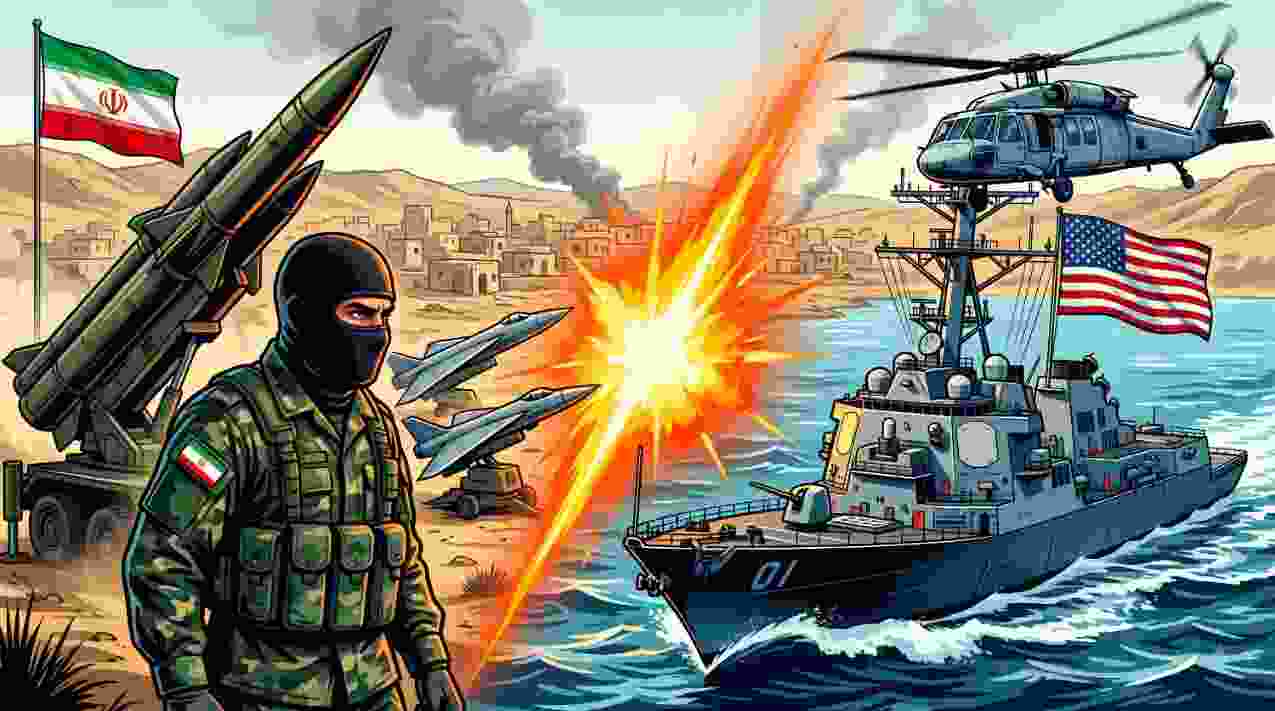
The remarks from Trump were made during a live address, where he accused Oman of complicity in Iran’s aggressive posture in the Gulf. This statement reflects a broader trend of escalating rhetoric between the U.S. and Iran, particularly as the Biden Administration continues to grapple with Tehran’s nuclear ambitions and its support for proxy groups across the Middle East. The Strait of Hormuz has become a flashpoint, with both Iran and its adversaries seeking to assert control over this vital shipping lane.
What Does This Mean for India?
India, being a significant importer of oil, is acutely aware of the implications of heightened tensions in the Strait of Hormuz. Increasing instability could lead to spikes in oil prices, impacting the Indian economy and affecting domestic inflation rates. Moreover, India has strategic interests in maintaining good relations with both Iran and the Gulf states, further complicating its diplomatic positioning as tensions rise.
What Should You Watch Next?
- Monitor the U.S. response and potential military deployments in the region.
- Watch for reactions from Gulf Cooperation Council (GCC) countries regarding the threats.
- Pay attention to diplomatic efforts aimed at de-escalating tensions, especially from European nations.
As the situation develops, there is a pressing need for diplomatic engagement to mitigate the risks of military confrontation. Analysts suggest that sustained dialogue and multilateral approaches may be essential in preventing a conflict that could have far-reaching consequences, not only for the Middle East but for global energy markets and international security.









Leave a Comment
Your email address will not be published. Required fields are marked with *