

Indian Parliament has officially integrated Gen Z slang into its discussions, aiming to bridge the communication gap with younger demographics. This unprecedented move reflects a broader trend of modernizing political discourse in India. New Delhi, July 2026 — In a remarkable shift toward modern political communication, the Indian Parliament has embraced Gen Z slang, marking
Indian Parliament has officially integrated Gen Z slang into its discussions, aiming to bridge the communication gap with younger demographics. This unprecedented move reflects a broader trend of modernizing political discourse in India.
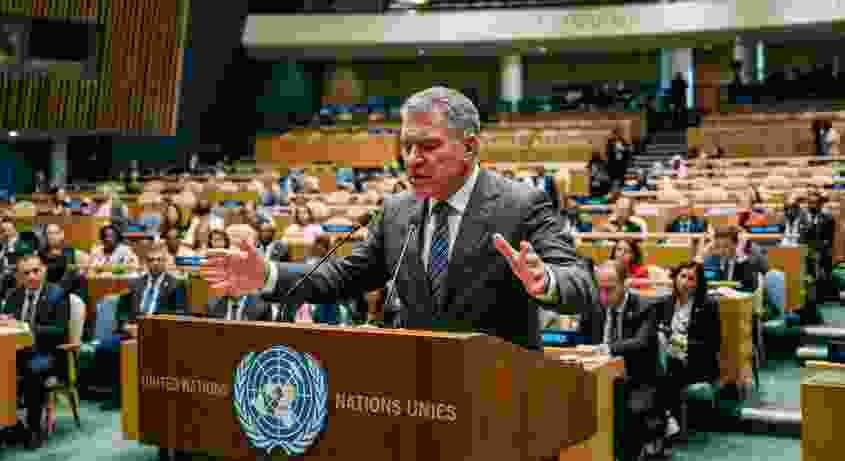
New Delhi, July 2026 — In a remarkable shift toward modern political communication, the Indian Parliament has embraced Gen Z slang, marking a significant milestone in its efforts to engage with the nation’s youth. This initiative aims to make legislative discussions more relatable and accessible, especially to the younger electorate.
Why Did Parliament Make This Change?
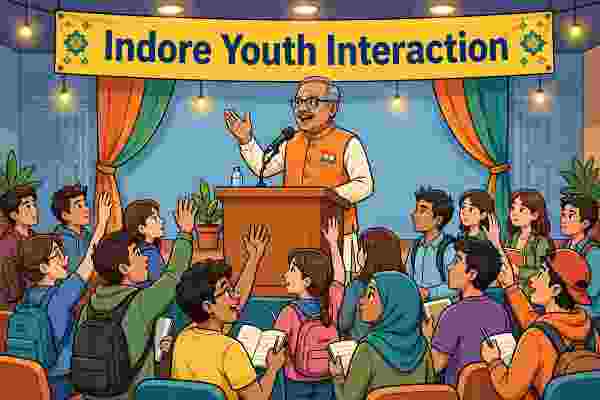
The decision to incorporate Gen Z slang comes amid growing concerns that traditional political language often alienates younger voters. As political engagement among youth declines, lawmakers recognize the need for a more inclusive dialogue that resonates with the values and expressions of younger generations. By adopting contemporary slang, Parliament aims to foster a sense of familiarity and encourage participation in the political process.
What Does This Mean for India?
This development signals a broader cultural shift in India, where digital communication has changed how information is disseminated and consumed. As social media continues to influence public discourse, the integration of Gen Z slang reflects an understanding of the evolving landscape of communication. Politicians are now tasked with finding a balance between formality and relatability, ensuring that their messages are both impactful and engaging.
Key Takeaways
- Parliament aims to connect with the youth by using relatable language.
- Incorporating slang may increase political engagement among younger voters.
- This represents a cultural shift towards modernizing political communication in India.
What Happens Next?
Looking ahead, this initiative could pave the way for more dynamic forms of political communication, prompting other institutions to follow suit. If successful, it may lead to increased youth participation in elections and civic activities, ultimately shaping future policy decisions. However, the effectiveness of this approach will depend on its genuineness and the ability of lawmakers to maintain respect for the political process while speaking the language of the people.










Leave a Comment
Your email address will not be published. Required fields are marked with *