
New Delhi, April 2026 — India has delivered a stern diplomatic ultimatum regarding the escalating maritime warfare in the Middle East, describing the ongoing attacks on commercial vessels in the Strait of Hormuz as “unacceptable.” With the regional conflict entering a more volatile phase, New Delhi is demanding the immediate restoration of safe passage to
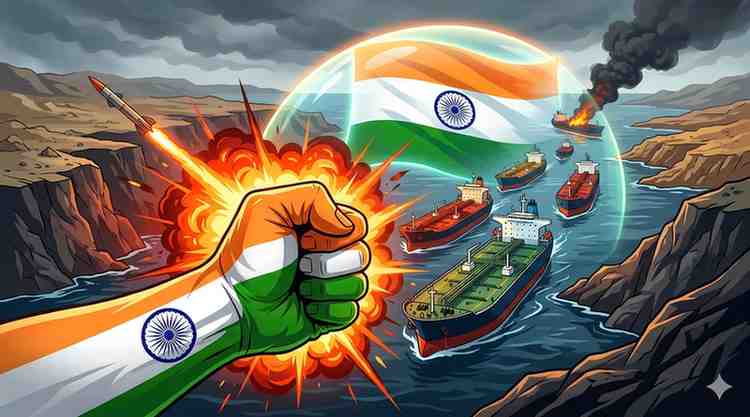
New Delhi, April 2026 — India has delivered a stern diplomatic ultimatum regarding the escalating maritime warfare in the Middle East, describing the ongoing attacks on commercial vessels in the Strait of Hormuz as “unacceptable.” With the regional conflict entering a more volatile phase, New Delhi is demanding the immediate restoration of safe passage to safeguard global trade and the lives of Indian seafarers.
The Human Cost: Indian Lives at Sea
The shadow of the Iran-U.S. confrontation has fallen directly on India’s maritime community. Harish P, addressing the international community, deplored the loss of “precious lives” of Indian seafarers who have been caught in the crossfire since the conflict’s outbreak on February 28, 2026.
India’s message was blunt: the targeting of commercial shipping and the endangering of innocent civilian crews are violations of international law that cannot be ignored. For a nation that provides a massive portion of the world’s merchant navy personnel, this is no longer just a regional skirmish—it is a direct threat to its citizens.
A Lifeline Under Siege
The Strait of Hormuz is the primary artery for India’s energy and economic security. Any impediment to the freedom of navigation through this narrow corridor threatens to disrupt the flow of essential crude oil and gas, potentially destabilizing the Indian economy.
While New Delhi has urged all states to exercise restraint and avoid further escalation, the persistence of military strikes on cargo ships has forced a tougher stance. India is now strongly urging that unimpeded global commerce be restored “at the earliest” to prevent a total collapse of maritime logistics in the Gulf.
Demanding Sovereignty and De-escalation
India’s diplomatic position focuses on three critical pillars to resolve the crisis:
- Respect for Borders: A call for the absolute respect of the sovereignty and territorial integrity of all states involved.
- Dialogue Over Drones: Urging all parties to prioritize “dialogue and diplomacy” to purposefully address the underlying issues rather than resorting to kinetic military action.
- Adherence to Law: A demand that international maritime laws be fully respected to prevent the “freedom of navigation” from becoming a casualty of war.
The Strategic Shift
Since February, India has navigated a delicate balancing act, but the recent loss of life has shifted the tone from “deep concern” to “active deplorement.” By highlighting the vulnerability of commercial shipping, India is signaling to both Tehran and Washington that the collateral damage of their confrontation has reached an intolerable threshold.
Bottom Line
The crisis in the Strait of Hormuz has moved beyond a military standoff between superpowers; it has become a chokehold on global stability. India’s message is clear: the world’s most vital energy corridor must not be turned into a target range, and the safety of civilian seafarers is a non-negotiable requirement for international trade.












Leave a Comment
Your email address will not be published. Required fields are marked with *