
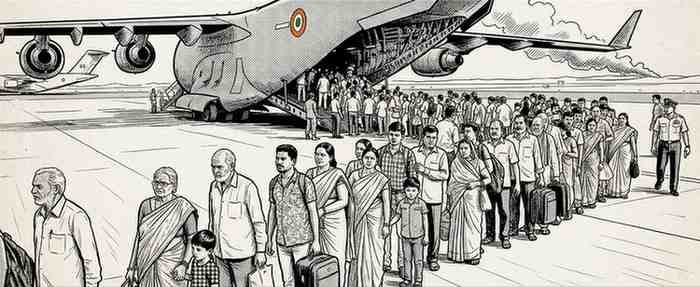
India has activated emergency evacuation protocols for thousands of its nationals stranded across West Asia following escalating military confrontations in the region. The Ministry of External Affairs confirmed that inter-ministerial coordination is underway to ensure safe passage for over 8 million Indians residing in Gulf countries amid deteriorating security conditions. New Delhi, April 2026 —
India has activated emergency evacuation protocols for thousands of its nationals stranded across West Asia following escalating military confrontations in the region. The Ministry of External Affairs confirmed that inter-ministerial coordination is underway to ensure safe passage for over 8 million Indians residing in Gulf countries amid deteriorating security conditions.
New Delhi, April 2026 — The Indian government has successfully evacuated 4,200 citizens from conflict-affected zones in West Asia over the past 72 hours, with additional chartered flights and naval vessels being deployed as regional hostilities show no signs of abating.
Why Has India Launched Emergency Evacuations?
Intensifying military strikes across multiple West Asian nations have disrupted commercial aviation and created acute safety concerns for the Indian diaspora. The Ministry of External Affairs, working alongside the Defence Ministry and Civil Aviation Ministry, has established a dedicated crisis management cell operating round the clock. Indian embassies in the UAE, Saudi Arabia, Kuwait, and Oman have opened emergency helplines and temporary shelter facilities for stranded workers. The operation mirrors the successful Vande Bharat mission of 2020, though officials acknowledge the current security environment presents greater logistical challenges.
What Are the Key Facts About India’s Response?
- Over 8.5 million Indian nationals currently reside in West Asian countries, with 3.4 million in the UAE alone
- INS Vikrant and two additional naval vessels have been positioned in the Arabian Sea for potential maritime evacuations
- Air India and private carriers have deployed 18 additional flights to Muscat, Dubai, and Bahrain
- The government has allocated ₹850 crore in emergency funds for evacuation and citizen welfare operations
- MEA has issued advisories urging Indians to register on the MADAD portal for real-time assistance
What Does This Mean for India’s Strategic Interests?
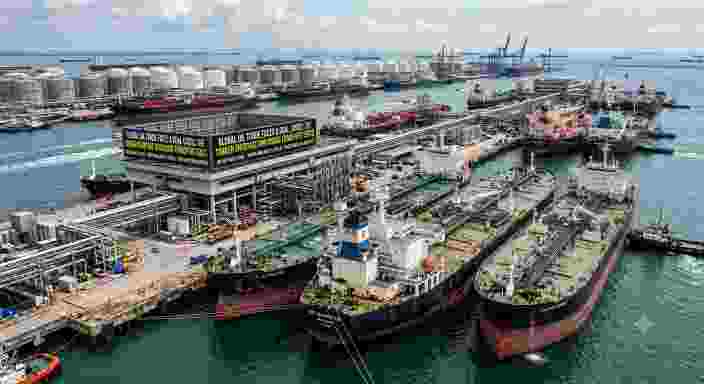
Beyond immediate humanitarian concerns, the crisis threatens India’s energy security and economic corridors. Approximately 40 percent of India’s crude oil imports originate from West Asian suppliers, and any prolonged disruption could trigger inflationary pressures domestically. Remittances from Gulf-based workers contributed $32 billion to India’s foreign exchange reserves last fiscal year. Strategic experts note that India’s careful diplomatic balancing between regional powers will face its most significant test since the Abraham Accords reshaped West Asian geopolitics.
What Happens Next?
The inter-ministerial committee is scheduled to brief the Cabinet Committee on Security within 48 hours with updated contingency plans. Officials indicate that a complete evacuation framework for all vulnerable Indian nationals could be activated if hostilities expand beyond current flashpoints. The petroleum ministry has begun consultations with domestic refiners about activating strategic oil reserves. Diplomatic channels remain open with all parties to the conflict, with External Affairs Minister expected to make telephone calls to counterparts in Tehran, Riyadh, and Abu Dhabi before the week concludes.











Leave a Comment
Your email address will not be published. Required fields are marked with *