
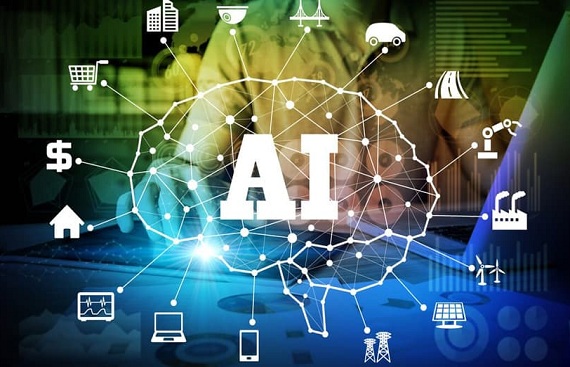
Harnessing the Potential: Navigating India’s AI Landscape for Growth and Innovation Key Takeaways: Introduction to AI’s Expanding Role in India India stands at the brink of an AI revolution that promises to transform both its economy and society. Driven by rapid advancements in technology and proactive government policies, AI is set to permeate various sectors,
Harnessing the Potential: Navigating India’s AI Landscape for Growth and Innovation
Key Takeaways:
- India is poised to become a global leader in artificial intelligence (AI) by 2030, with the sector potentially contributing up to $957 billion to the Indian economy, or 15% of current gross value in 2035, according to a report by Accenture.
- AI adoption in sectors such as healthcare, agriculture, and education is expected to dramatically increase efficiency and accessibility, reducing costs by up to 50% in key services.
- The Indian government’s push towards digital infrastructure, including initiatives like Digital India and the National Program on AI, is creating a favorable environment for AI growth and innovation.
- Challenges such as skill shortages, data privacy concerns, and infrastructure needs must be addressed to fully capitalize on AI opportunities.
Introduction to AI’s Expanding Role in India
India stands at the brink of an AI revolution that promises to transform both its economy and society. Driven by rapid advancements in technology and proactive government policies, AI is set to permeate various sectors, reshaping them to be more efficient and innovative. As the digital landscape expands, the integration of AI in Indian industries and public sectors is not only inevitable but also essential for future growth.
Sector-Specific AI Integration and Impact
- Healthcare: AI’s potential in healthcare is vast, from diagnostic algorithms that detect diseases with greater accuracy than human doctors to AI-driven genomics that tailor medical treatments to individual genetic profiles. For instance, AI applications in radiology and pathology are expected to reduce diagnostic errors by up to 30% and cut treatment costs by nearly half.
- Agriculture: AI tools are revolutionizing Indian agriculture by predicting weather patterns, optimizing planting cycles, and diagnosing soil health. Drones and AI-based imaging tools help monitor crop health across vast areas, increasing yields by up to 25% and reducing pesticide use by 15%.
- Education: AI-enhanced educational platforms can personalize learning at scale, potentially reaching millions of underserved students across rural India. These platforms adapt in real time to the learner’s pace and style, improving outcomes especially in STEM fields, where practical, hands-on learning is crucial.
Government Initiatives and Policy Support
The Indian government is actively promoting AI through various initiatives, recognizing its potential to drive economic growth and social development. The National Strategy for Artificial Intelligence outlines a comprehensive approach to fostering AI innovation and adoption across public and private sectors. Significant investments in digital infrastructure, such as expanding internet access and enhancing data governance frameworks, provide a strong foundation for AI development.
Challenges and Strategic Imperatives
Despite the optimism, India faces several challenges that could impede AI’s widespread adoption:
- Skill Gap: There is an acute shortage of AI talent in India. To address this, educational institutions must revise curricula to include AI, machine learning, and data analytics, and businesses must invest in training and development.
- Data Privacy: As AI systems rely heavily on data, robust data protection laws are essential to address privacy concerns and build public trust.
- Infrastructure: Adequate digital infrastructure is fundamental for AI technologies to flourish, especially in rural and remote areas.
Looking Ahead: AI’s Broader Implications
The future of AI in India is not just about economic gains but also about profound social transformations. AI has the potential to address some of India’s most challenging issues, such as healthcare accessibility, educational disparities, and agricultural productivity.
Moreover, as India positions itself as a global hub for AI research and development, it can attract significant international investment and talent, further boosting its technology sector. However, balancing technological advancement with ethical considerations and equitable access will be key to ensuring that AI benefits all segments of Indian society.












Leave a Comment
Your email address will not be published. Required fields are marked with *