
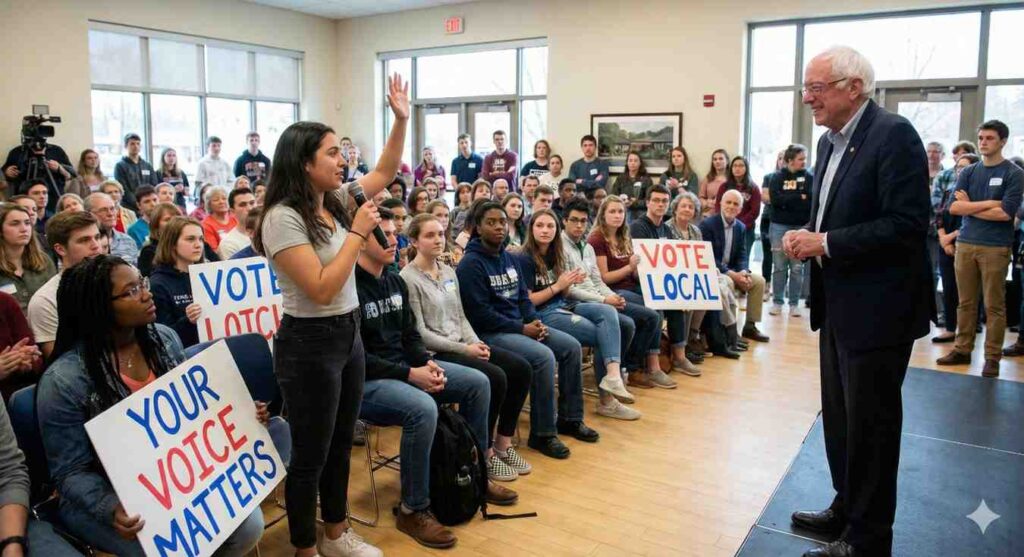
New Delhi – Political engagement, once seen as the realm of seasoned professionals and older generations, is now finding its place in the hearts and minds of India’s youth. From campus protests to social media campaigns, young Indians are increasingly stepping up to shape the future of their nation. Political figures like Kanhaiya Kumar, Dimple Yadav, and Jignesh Mevani have
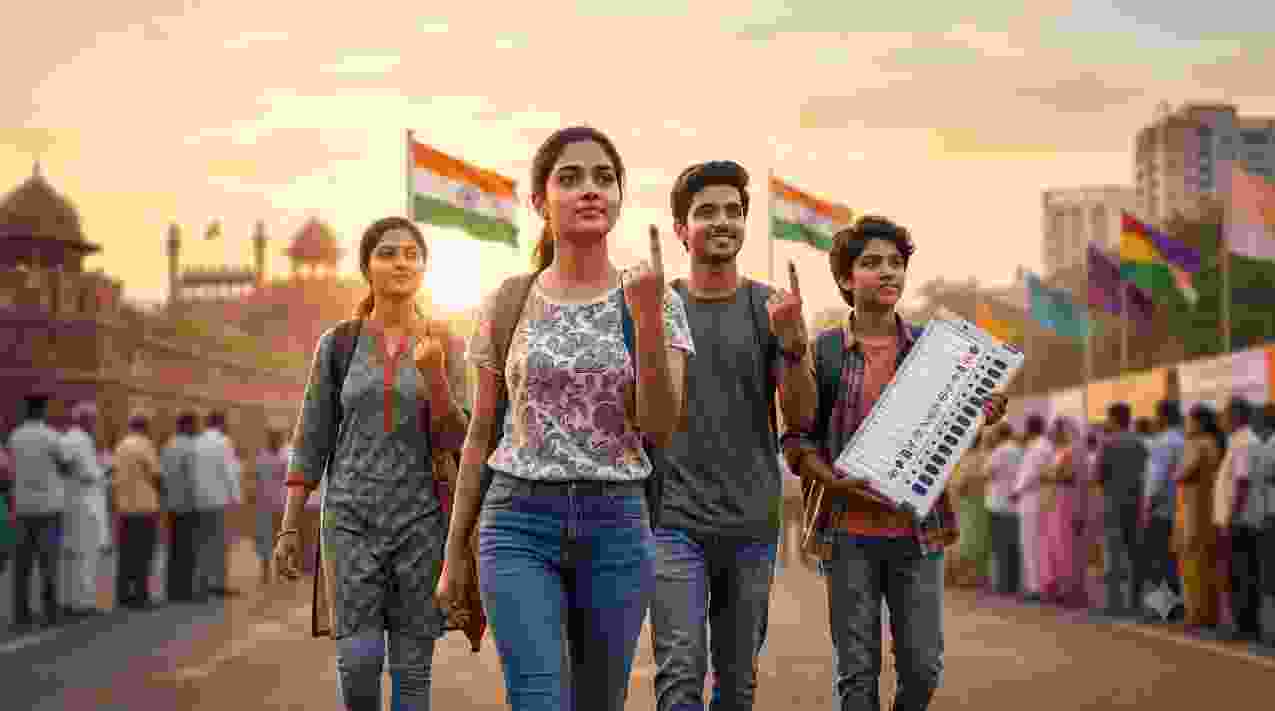
New Delhi – Political engagement, once seen as the realm of seasoned professionals and older generations, is now finding its place in the hearts and minds of India’s youth. From campus protests to social media campaigns, young Indians are increasingly stepping up to shape the future of their nation. Political figures like Kanhaiya Kumar, Dimple Yadav, and Jignesh Mevani have become symbols of youth activism, demonstrating the power of participation and advocacy. But beyond these public figures, the real transformation lies in the growing movement of young individuals who are realizing that their voice matters more than ever before.
A Generation Awakening to Political Action
- Campus Activism: The Seed of Change
- Young leaders have taken the lead in pushing for social justice, policy reform, and the empowerment of marginalized groups. Kanhaiya Kumar’s leadership in the Jawaharlal Nehru University (JNU) protests in 2016 exemplifies the role of student activism in challenging the status quo. His message about the importance of secularism and education echoed through university halls, capturing the attention of young voters.
- Similarly, Dimple Yadav, a prominent political figure and youth leader, has inspired many by championing women’s rights and advocating for youth-centric policies. As the former Member of Parliament, she embodies the impact of young voices in policy-making.
- Social Media as a Tool for Change
- Social media has become an essential tool for political engagement, especially among youth. Activists like Jignesh Mevani, the Dalit rights advocate and politician, have utilized platforms like Twitter and Facebook to raise awareness on issues like caste discrimination, labour rights, and farmers’ protests. His rise from social media activism to political leadership highlights the influence of digital platforms in mobilizing young minds.
- The digital revolution has also led to an increase in political discourse among young Indians, breaking geographical and social barriers. Issues that were once confined to traditional media are now being debated in homes, classrooms, and online forums, igniting political interest and responsibility in the younger generation.
Inspiring Future Political Leaders
The next wave of political leadership in India is being shaped by young individuals who refuse to remain silent. Political engagement is no longer about supporting an ideology blindly but about understanding issues deeply and using one’s platform to create change.
- Youth-Centric Policy Reforms
- The growing involvement of young people in politics has led to the rise of youth-driven policy reforms. Whether it’s advocating for better educational opportunities, pushing for stricter environmental laws, or fighting for job creation, youth leaders are making their mark. The National Students Union of India (NSUI) and other student bodies continue to focus on issues like affordable education and job security, which resonate with India’s rapidly growing young population.
- Social Movements and Grassroots Leadership
- The farmers’ protests in 2020-2021 saw an overwhelming participation of young people from various states, particularly Punjab and Haryana. Their dedication to standing against perceived injustice revealed a strong commitment to fighting for what they believe in. These protests brought together diverse youth movements, with individuals like Bhanu Pratap, a youth leader in Punjab, rallying farmers and advocating for their rights.
Conclusion: The Future is Now
The rise of youth participation in Indian politics is not just a passing trend; it’s a wave of change that reflects the aspirations of a new generation eager to contribute to their country’s future. Whether through activism, leadership, or social media campaigns, today’s young Indians are proving that political engagement isn’t limited to the old guard—it’s an empowering tool for all.
The power of political engagement is real, and the next generation of leaders is ready to inspire and shape the future.






Leave a Comment
Your email address will not be published. Required fields are marked with *