AI in Cultural Preservation: How the Indian Government Is Supporting Heritage Initiatives
- Government, Society & Culture, Tech & Ai
- June 24, 2025


Introduction: Advancing Social Good Through Technology India’s commitment to digital innovation has taken a significant step forward with the Digital Public Goods (DPG) initiative, which leverages Artificial Intelligence (AI) and other digital technologies to drive social impact. This initiative aims to create open-source digital solutions that address key challenges in sectors like healthcare, education, and
READ MORE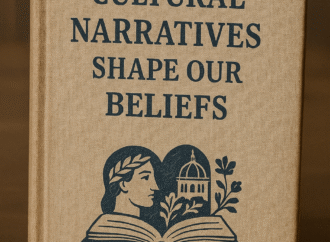
The Stories We Tell: How Culture Influences Faith and Identity Cultural narratives—the stories we inherit from our communities, traditions, and history—play a profound role in shaping our beliefs. These narratives often serve as the lens through which individuals and societies view the world, influencing not only spiritual and religious faith but also moral codes, social
READ MORE
Varanasi, 2025 – Known as the spiritual capital of India, Varanasi is a city where history, culture, and devotion converge. However, as rapid urbanization transforms its landscape, questions arise about the delicate balance between modernization and the preservation of its centuries-old cultural heritage. Is Varanasi managing to harmonize growth with its cultural identity, or is the
READ MORE
The Rich Tapestry of Uttar Pradesh’s Culture Uttar Pradesh (UP) stands as a cradle of Indian civilization, blending its historic, religious, and cultural heritage into a vibrant tapestry. From the Ganga-Jamuni tehzeeb symbolizing communal harmony to its famed contributions to art, music, and literature, UP’s identity is deeply rooted in its culture. However, as political
READ MORE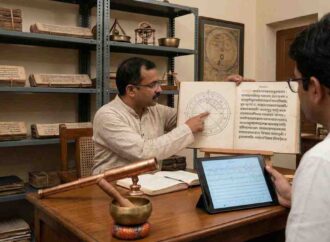
“Harmony of the Seen and Unseen: Bridging Science and Spirituality in the Vedas” Vedic teachings, the cornerstone of ancient Indian wisdom, embody a profound integration of science and spirituality, addressing the mysteries of the cosmos, human existence, and the interconnectedness of life. While often categorized as spiritual texts, the Vedas also reveal a deep understanding
READ MORE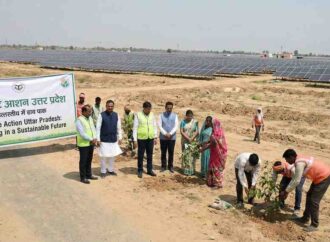
Balancing Growth with SustainabilityAs India’s most populous state, Uttar Pradesh plays a pivotal role in the nation’s battle against climate change. With a population of over 240 million and an economy poised for rapid growth, the state faces the dual challenge of development and sustainability. While recent initiatives signal a commitment to addressing environmental concerns,
READ MORE