Three reasons to cheer europe's economy
- WORLD
- February 25, 2015

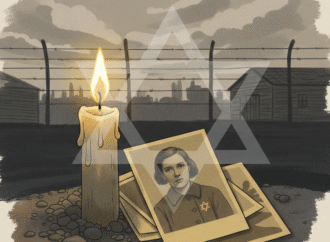
Key Highlights: On January 27, the world observes the International Day of Commemoration in Memory of the Victims of the Holocaust. The guiding philosophy is “Universal Human Rights” and the imperative of “Never Again.” According to the United Nations, this day is not just about the past but about a proactive political stance against intolerance today. In 2026, the wave focuses on
READ MORE
Key Highlights: January 24 marks the International Day of Education, an event guided by the philosophy that knowledge is a “Global Public Good.” In 2026, UNESCO is leading a wave for “Learning for Lasting Peace.” This philosophy argues that education must go beyond vocational training to include “Global Citizenship Education” (GCED). The 2026 focus is on bridging the “Digital Divide.” The
READ MORE
Key highlights Abu Dhabi Sustainability Week is a reminder that climate politics is increasingly an investment story—one written in panels, pledges, and private meetings where capital moves faster than diplomacy. The 2026 edition is scheduled for 11–15 January, and it arrives early enough in the year to influence how energy and climate priorities get framed across
READ MORE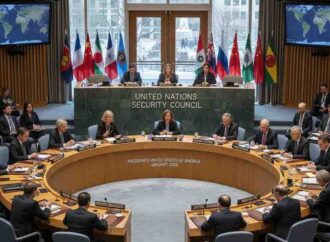
Key Highlights: As per the United Nations Security Council rotation schedule, Somalia will hold the Presidency in January 2026. This period is critical for the “A3” group of African nations within the Council. The agenda is expected to focus heavily on the transition of peacekeeping missions and the “Pact for the Future” implementation. While Somalia leads the
READ MORE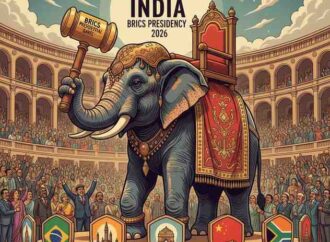
Key Highlights: On January 1, 2026, India formally assumes the Presidency of the BRICS group. Following the 17th Summit in Brazil,the Ministry of External Affairs (MEA) has outlined a roadmap that mirrors India’s successful G20 “Jan Bhagidari” model. The 2026 Chairship is significant as it marks the first time India will lead the expanded bloc, focusing on the “Integrated BRICS” framework.
READ MORE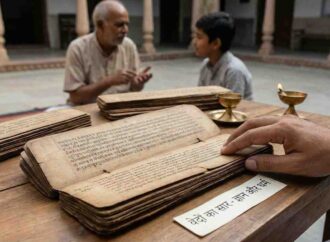
The Vedas, the foundational scriptures of Hindu philosophy, stand as one of humanity’s earliest and most profound explorations into the nature of existence, consciousness, and the cosmos. Composed in Vedic Sanskrit between 1500 BCE and 500 BCE, these ancient texts offer a wealth of knowledge that transcends time, addressing both spiritual inquiry and practical life.
READ MORE